PENUMBRA marks Singaporean artist Kelly JIN MEI’s second solo exhibition in Singapore, hosted at Art Outreach (Gillman Barracks). The exhibiting artworks consist of Anekanta (2024), Vedurnan (2025) and Qiwulun (2026), which is a new and final artwork concluding this triptych. While the former two artworks have been exhibited at the 18th International Triennial of Textiles (Łódź, Poland) and Biennale Jogja 18 (Yogyakarta, Indonesia) respectively, this is the first time all three have been staged together. Derived from the words ‘almost shadow’ in Latin, Penumbra refers to a space of partial shadow between total eclipse and full light. Standing in the literal grey area, the observer is neither experiencing total occultation, nor complete illumination. Changes in lighting and position instantly transform its temporary boundary, suggesting that Truth is only a perception in a state of constant flux.
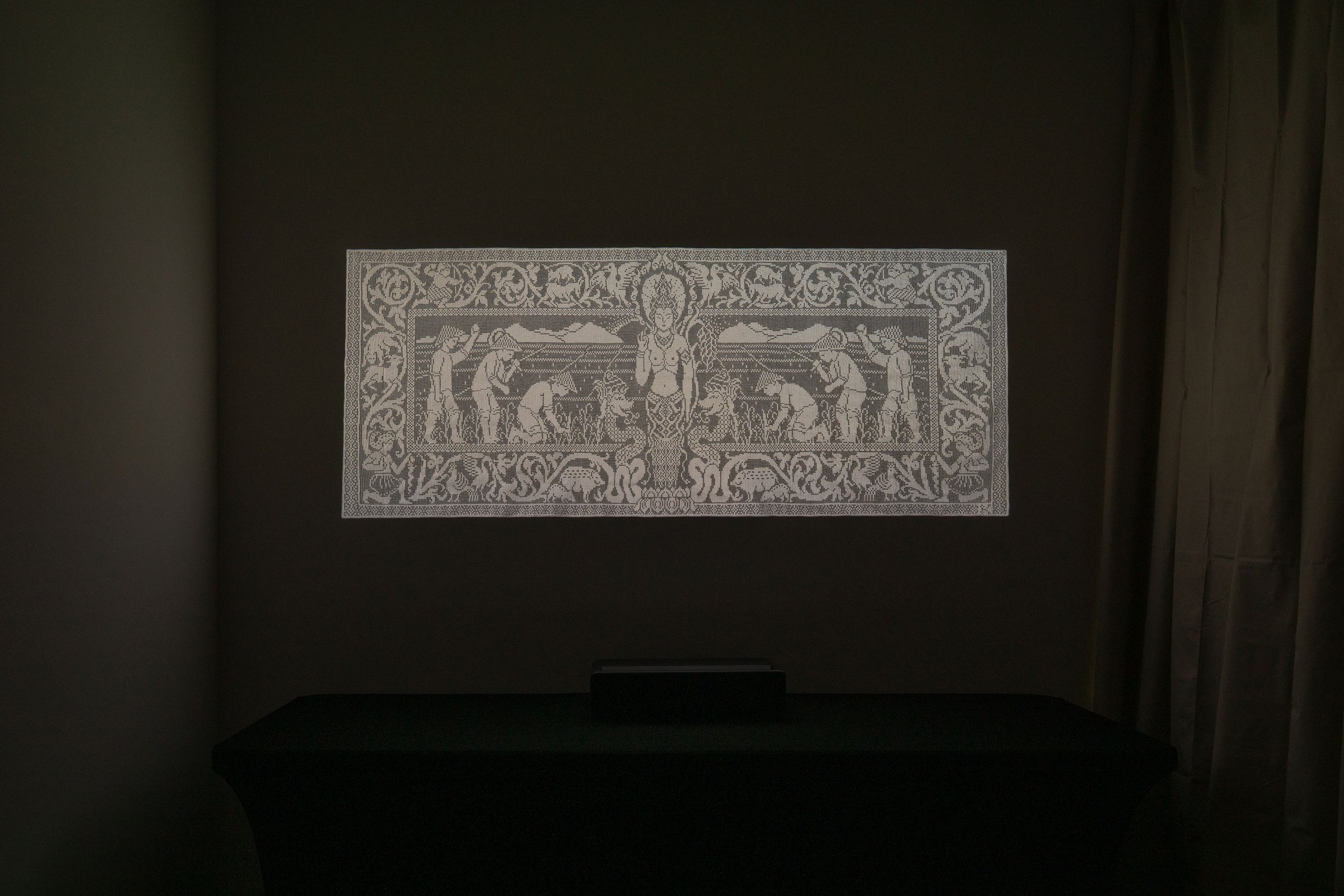
Following the journey of rice, sago and cassava as the main food staples in Indonesia, Jin Mei borrows the format of Wayang Kulit, blending mythology and history in her interpretation. Alluding to certain periods of Indonesian history from colonisation to occupation, the crocheted lace textiles and shadows cast from them demonstrate the malleability of mainstream narratives and their tendency to be distorted or manipulated. More than simply a visual presentation, PENUMBRA uses sound, smell, and even taste (in Waroeng Ndeso, a foodcentric collaboration event), to invite audiences on an introspective journey urging a reconsideration of knowledge as it has been presented to us.
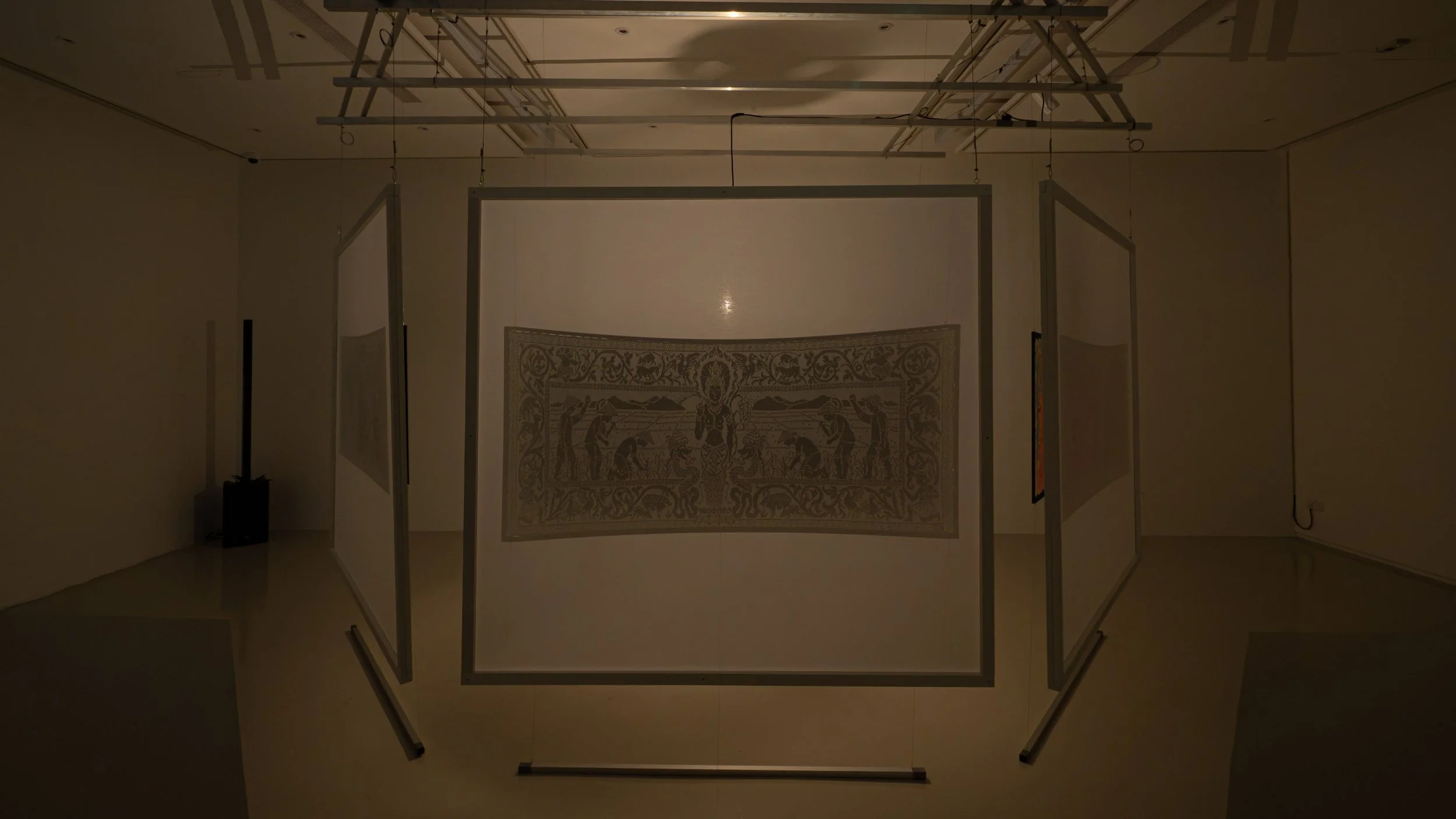
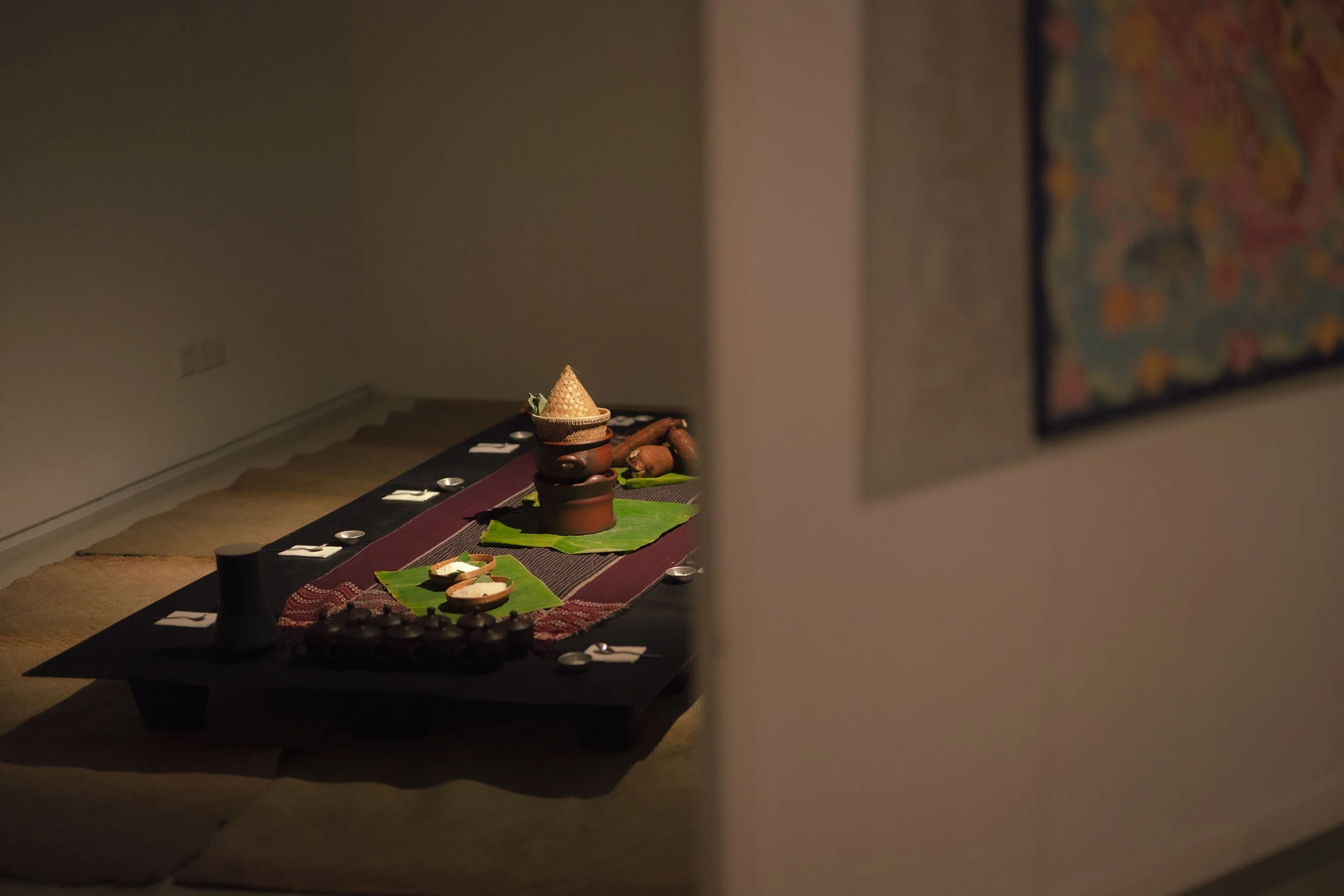
Installation view (front) at PENUMBRA. Photo by Clarence Aw
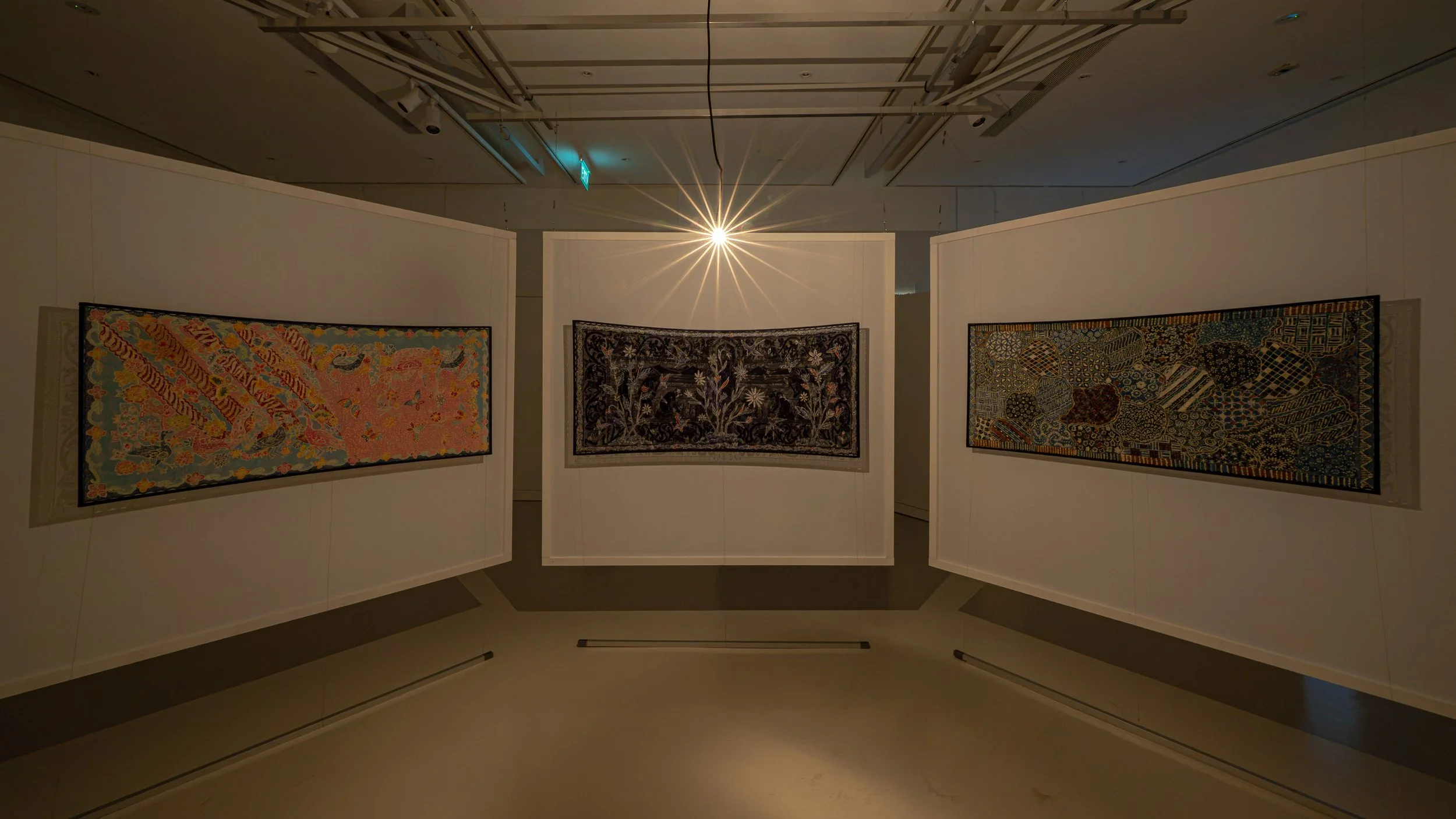
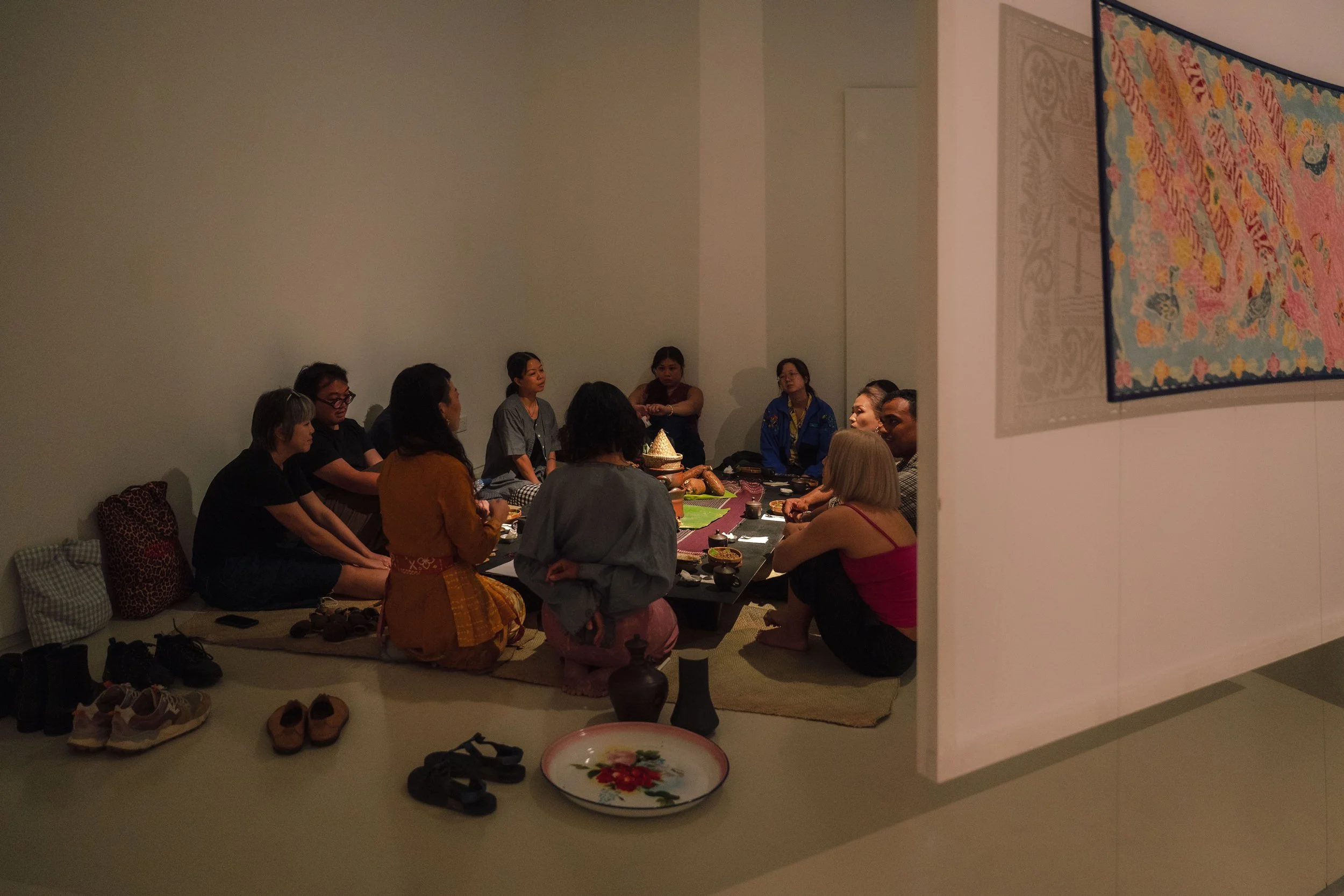
Installation view (back) at PENUMBRA. Photo by Clarence Aw

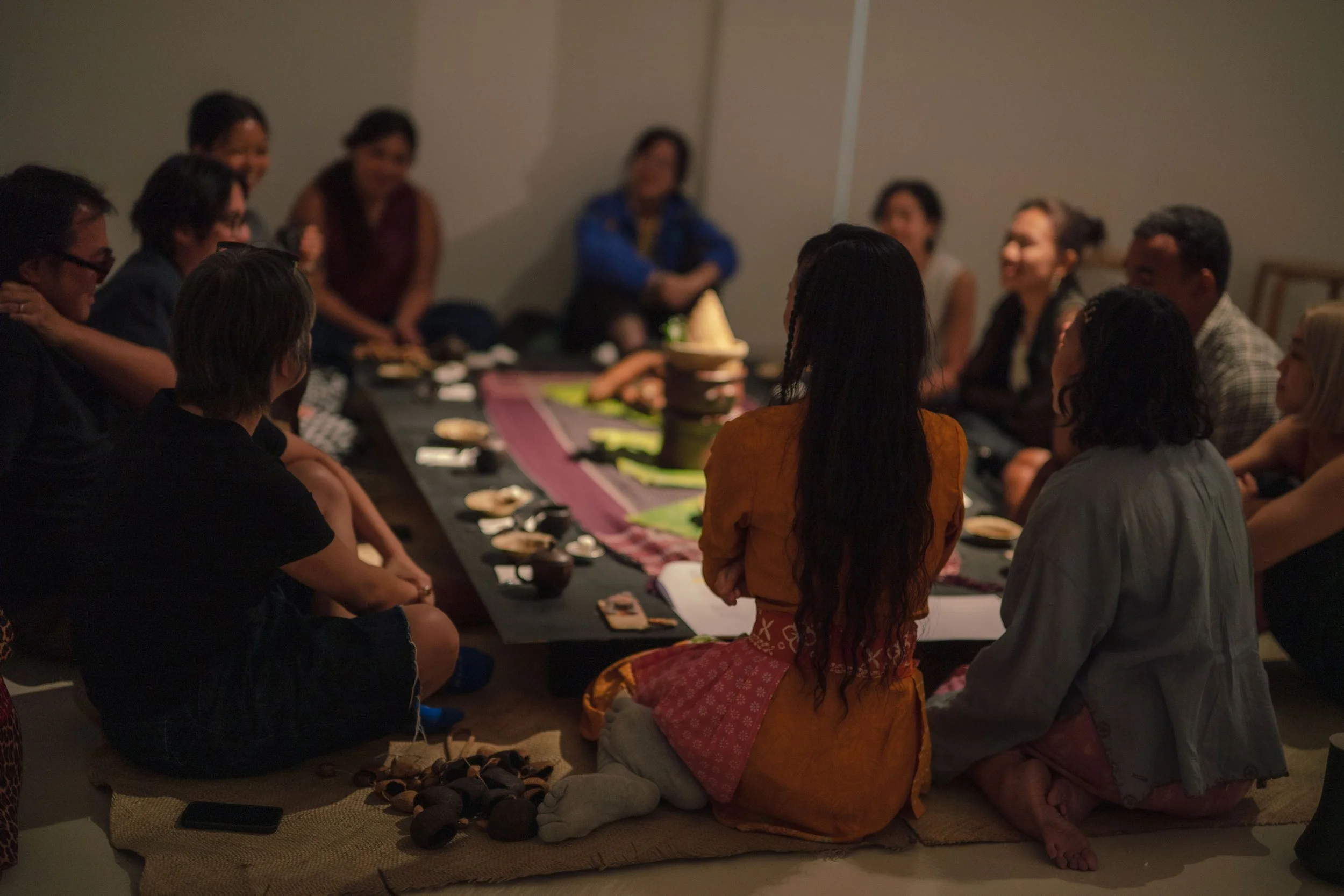
Installation view (back) at PENUMBRA. Photo by Clarence Aw
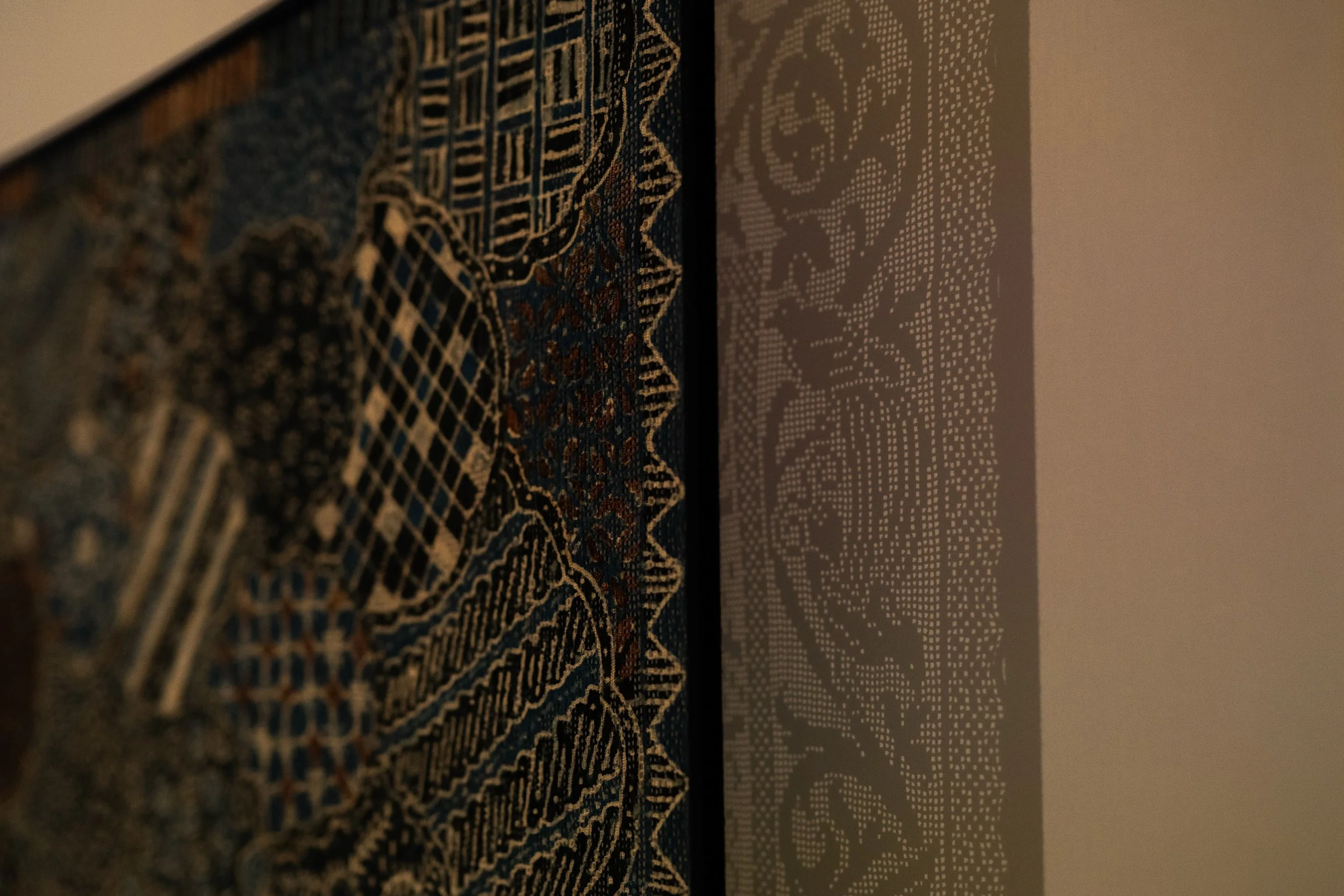
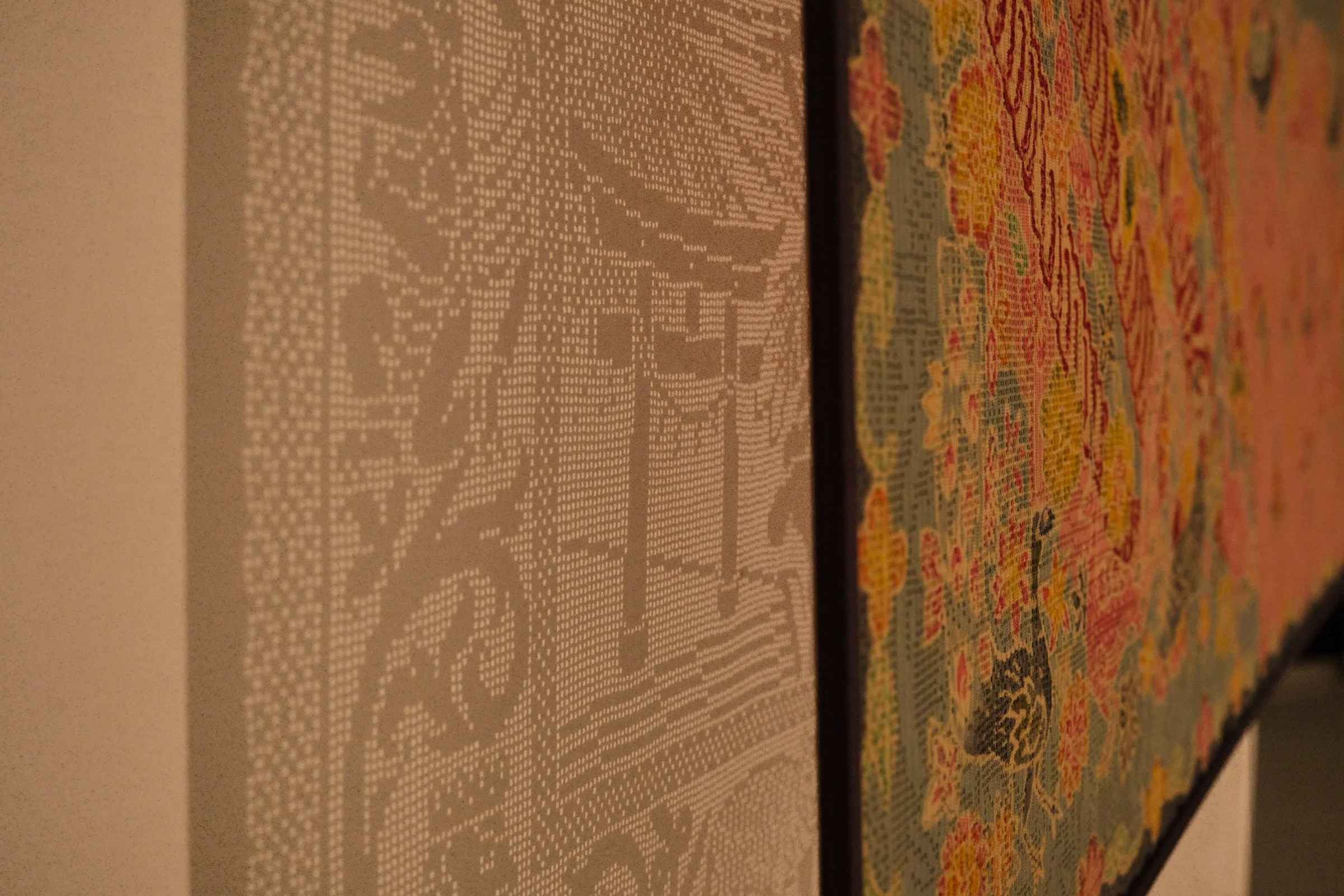
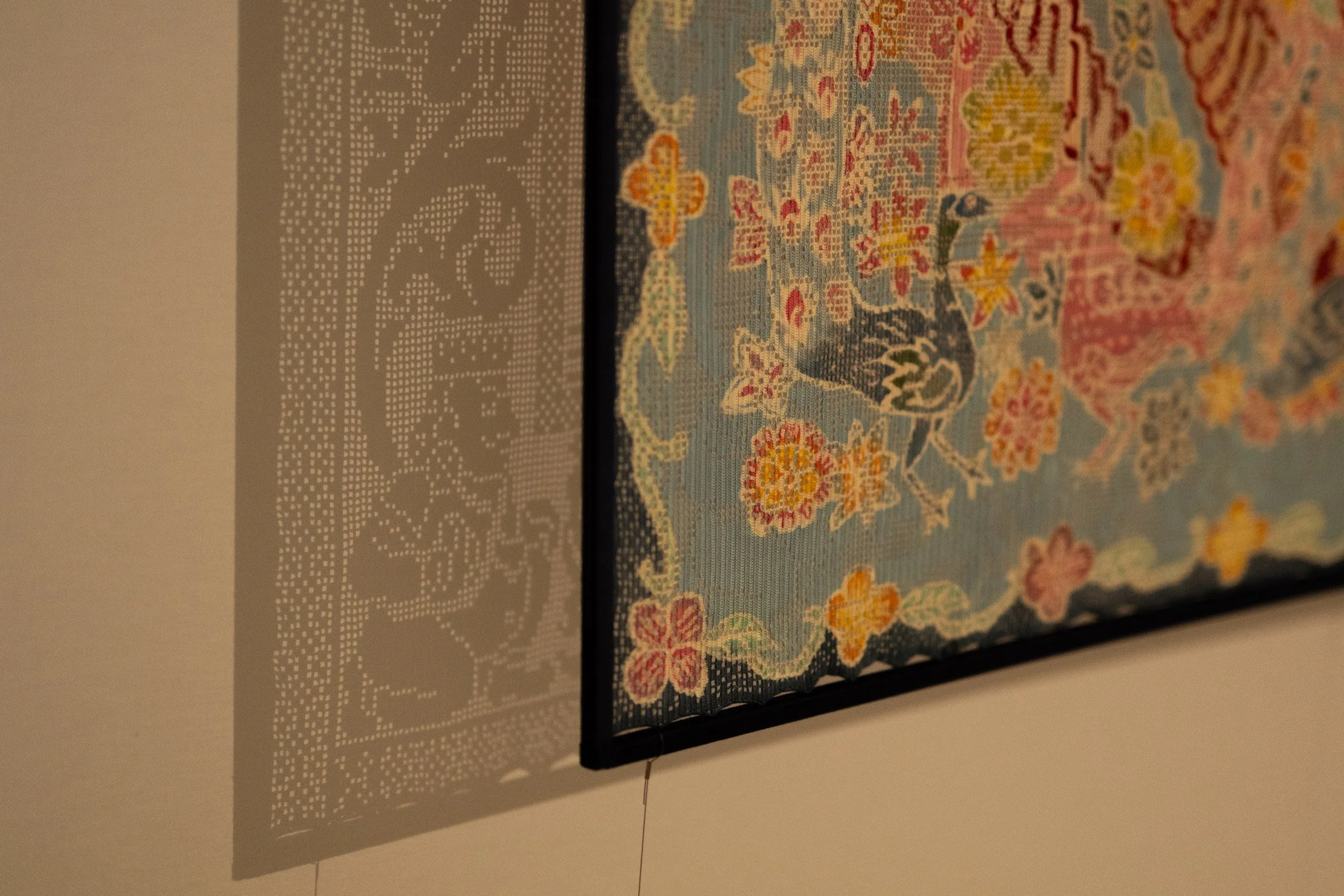
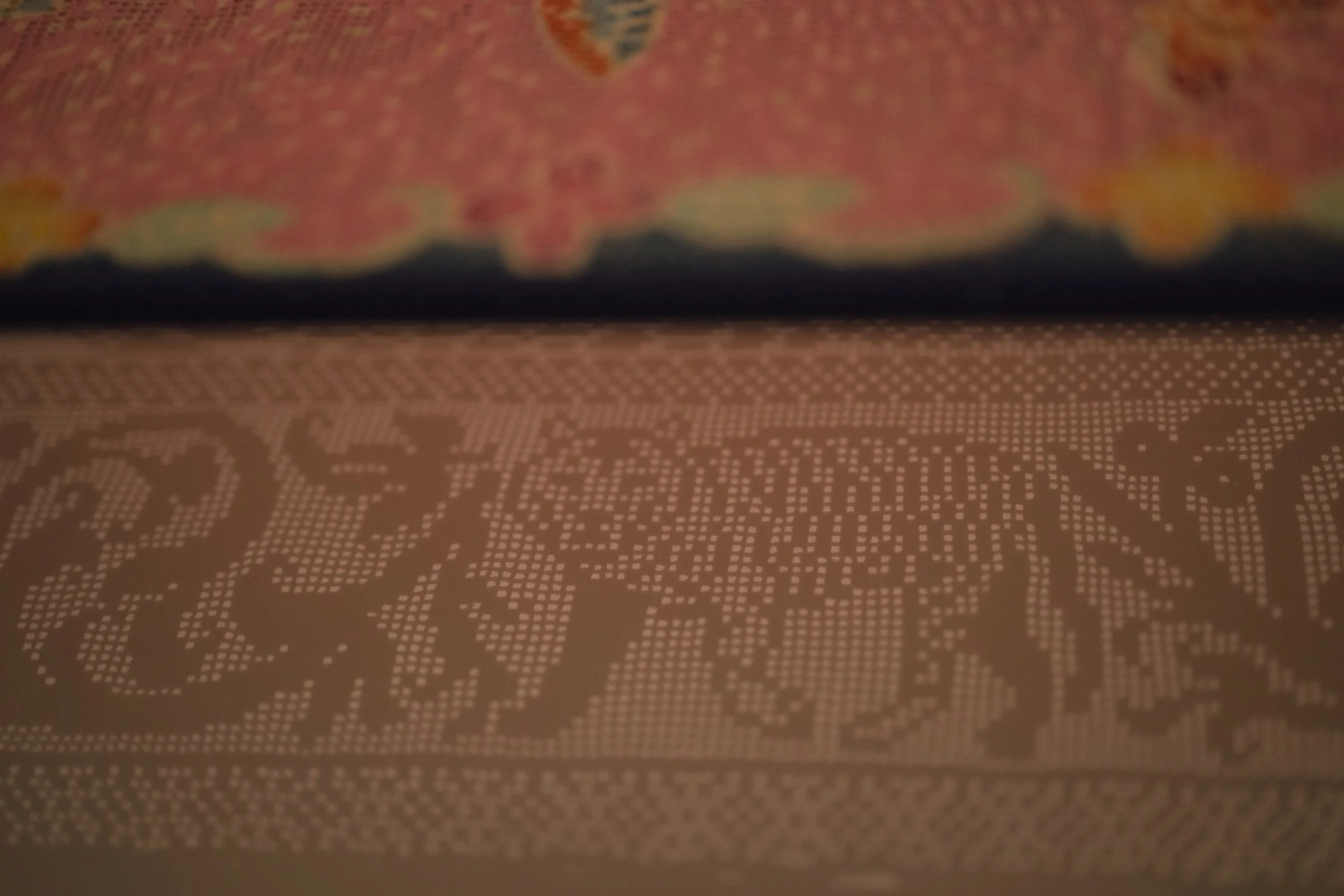
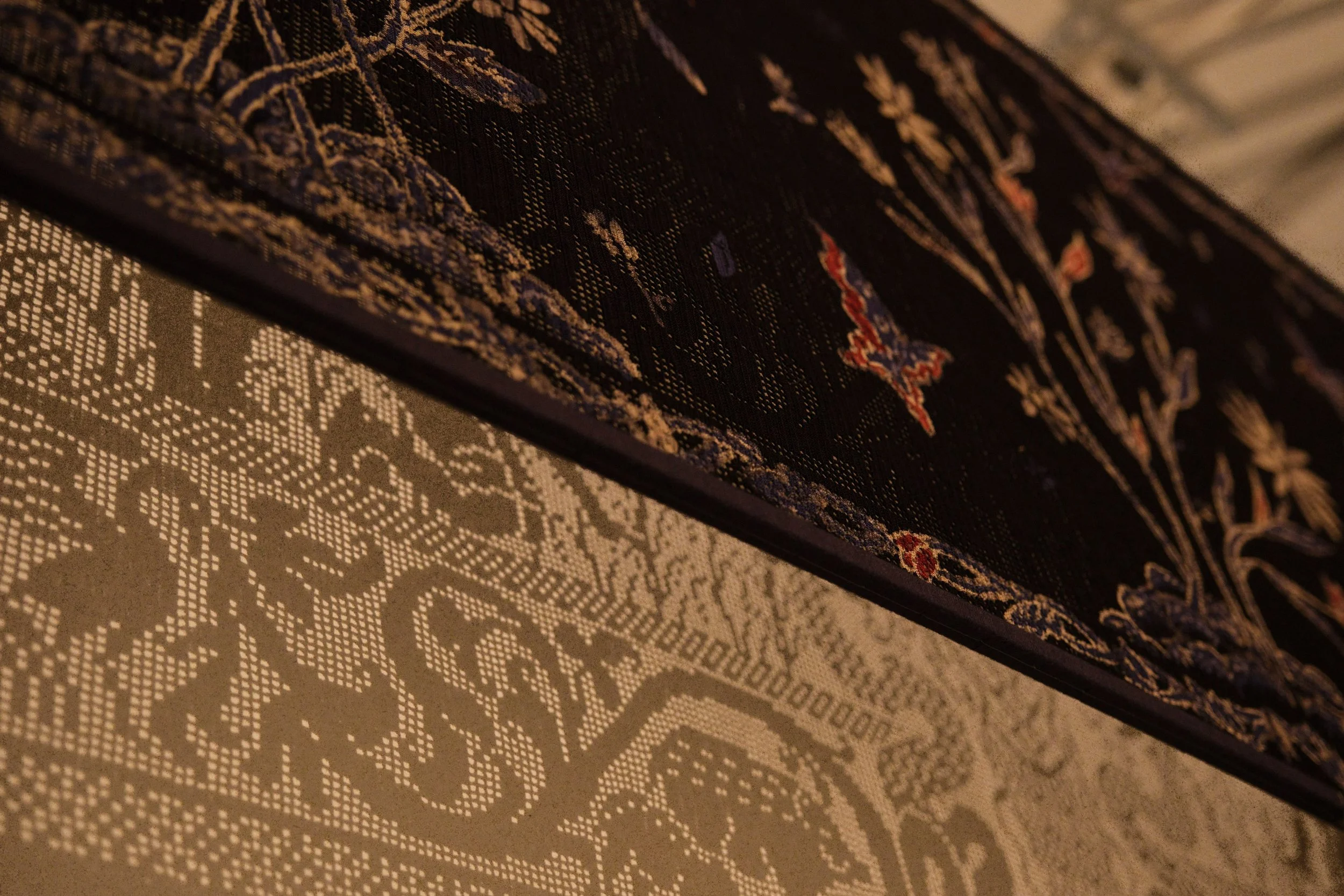
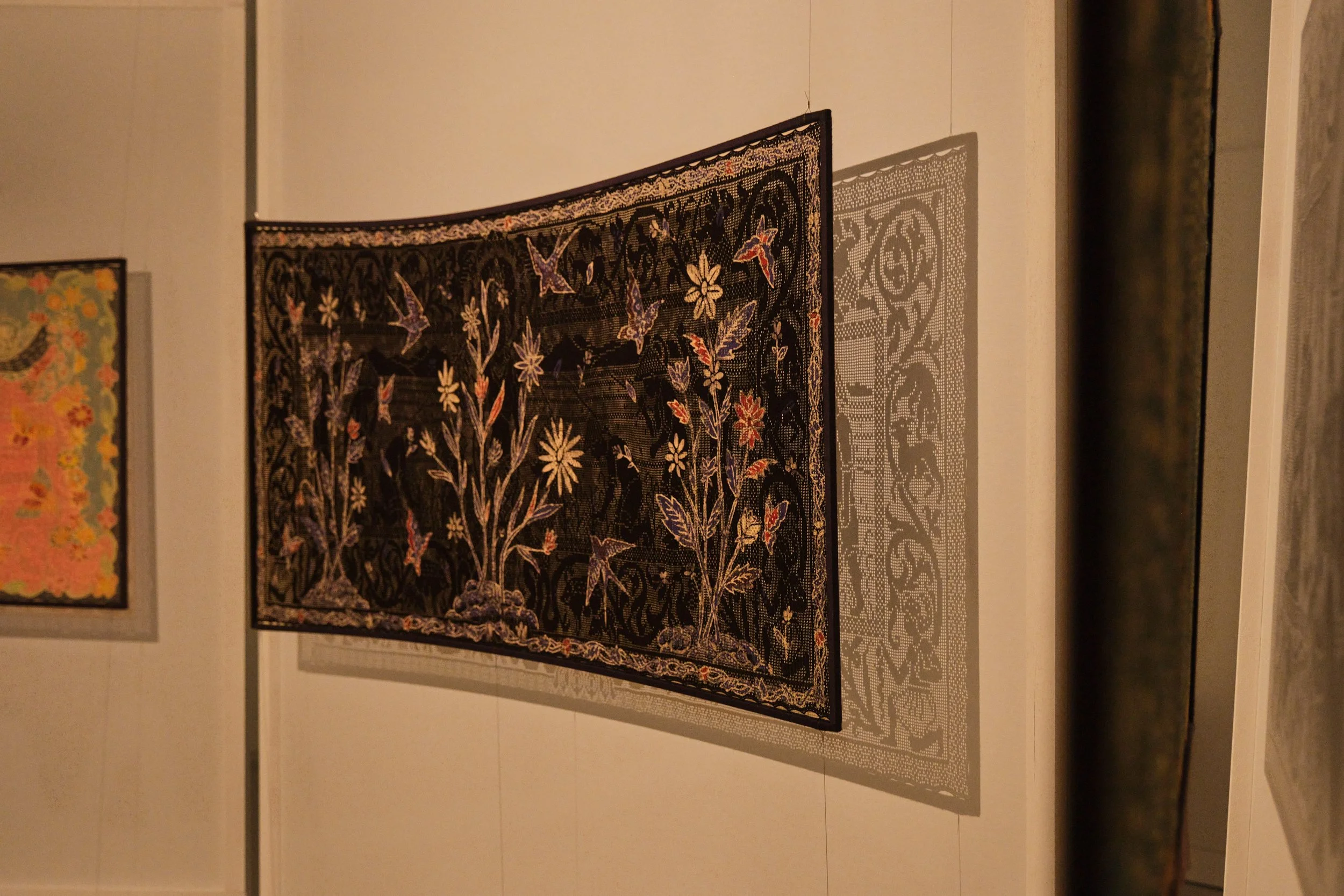
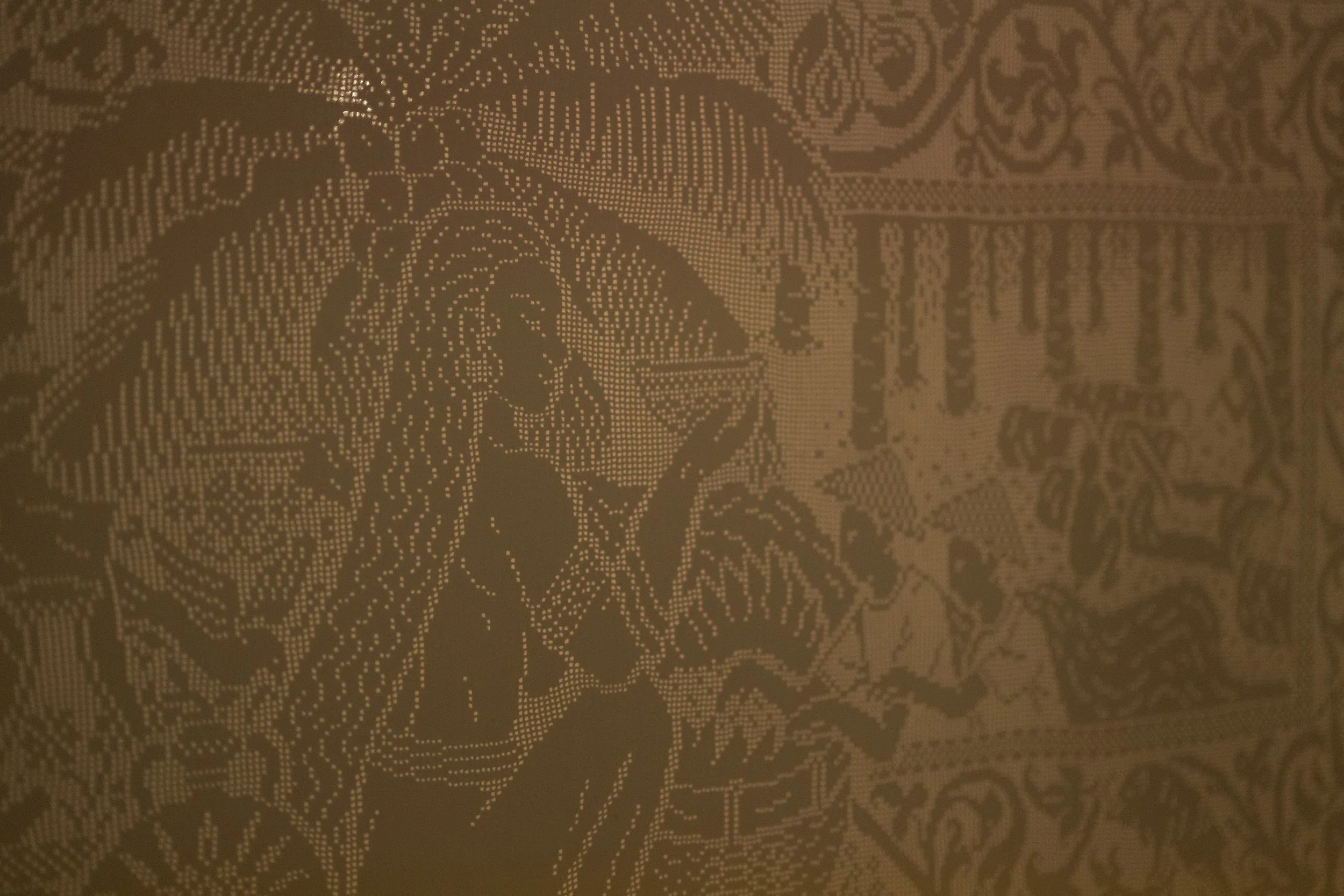
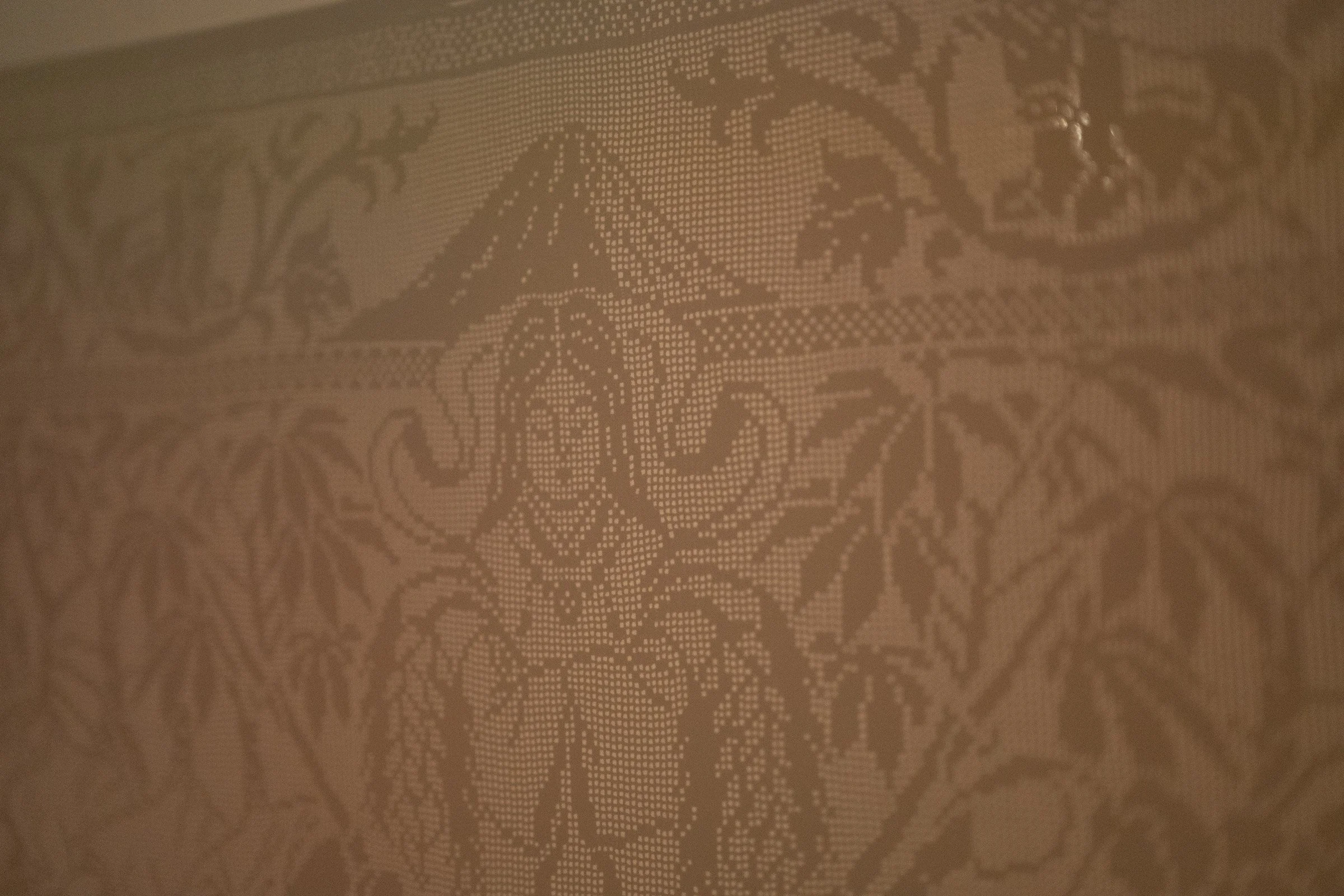

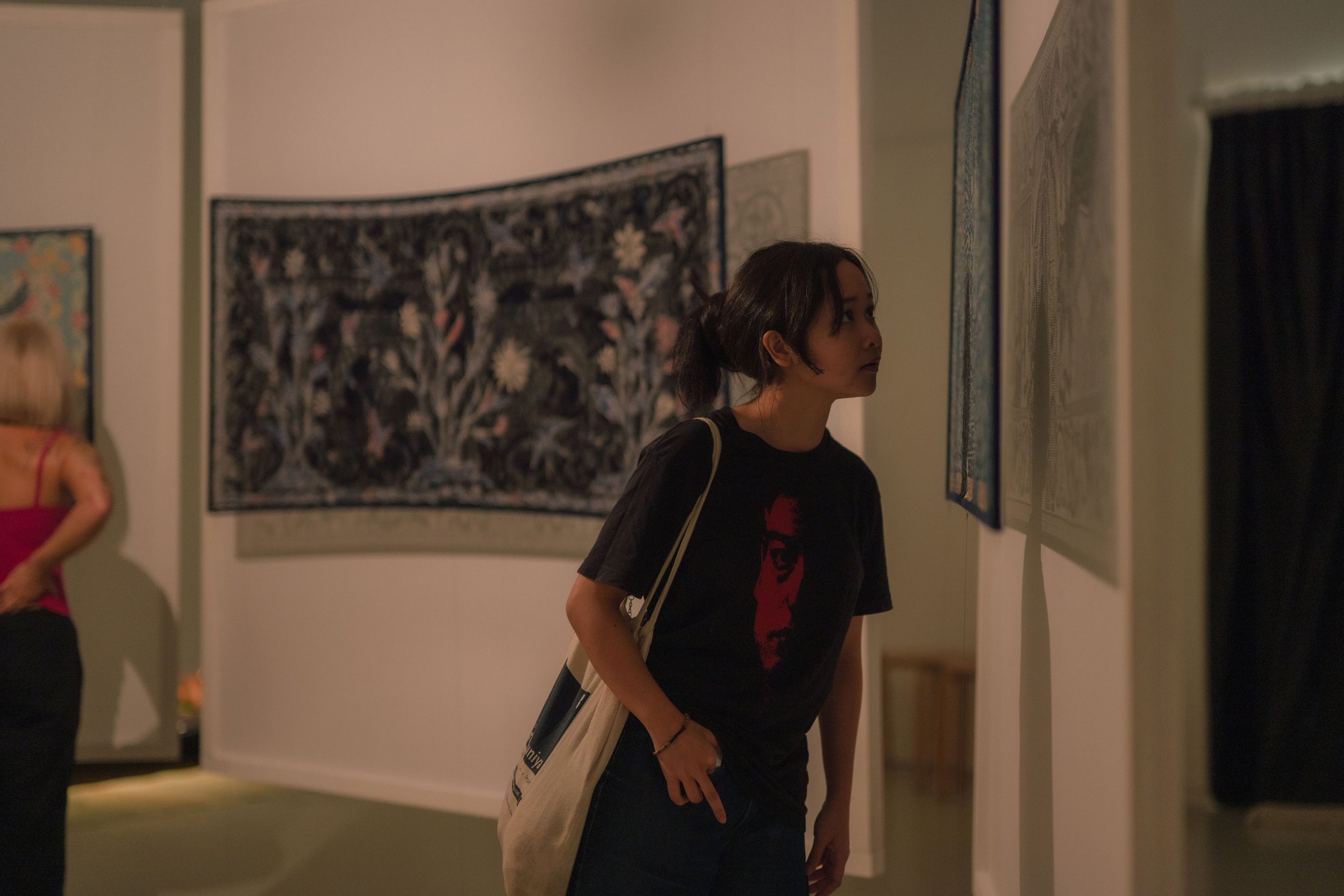
Exhibited Artworks
Anekanta
2024
Crocheted cotton thread dyed with batik (wax resist) technique, cast shadow
149cmW x 68cmH
Vedurnan
2025
Crocheted cotton thread dyed with batik (wax resist) technique, cast shadow
140cmW x 63cmH
Qiwulun
2026
Crocheted cotton thread dyed with batik (wax resist) technique, cast shadow
142cmW x 62cmH
Exhibition experience
While the entire exhibition presents only a triptych, they are saturated with layered stories that reveal themselves with deeper engagement. Thus, space is filled not with a physical presence, but sensory—smell, movement, taste, and sound.
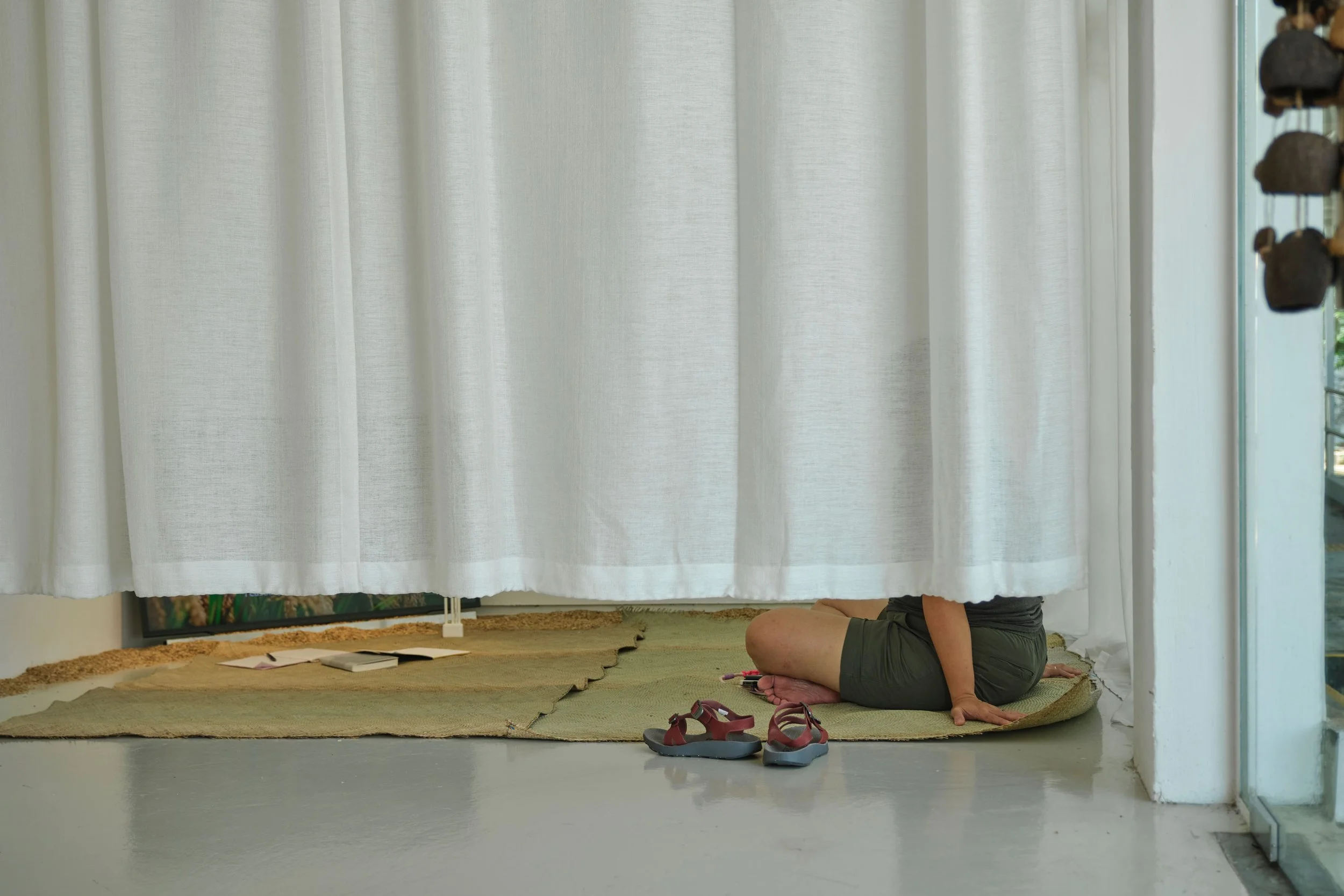
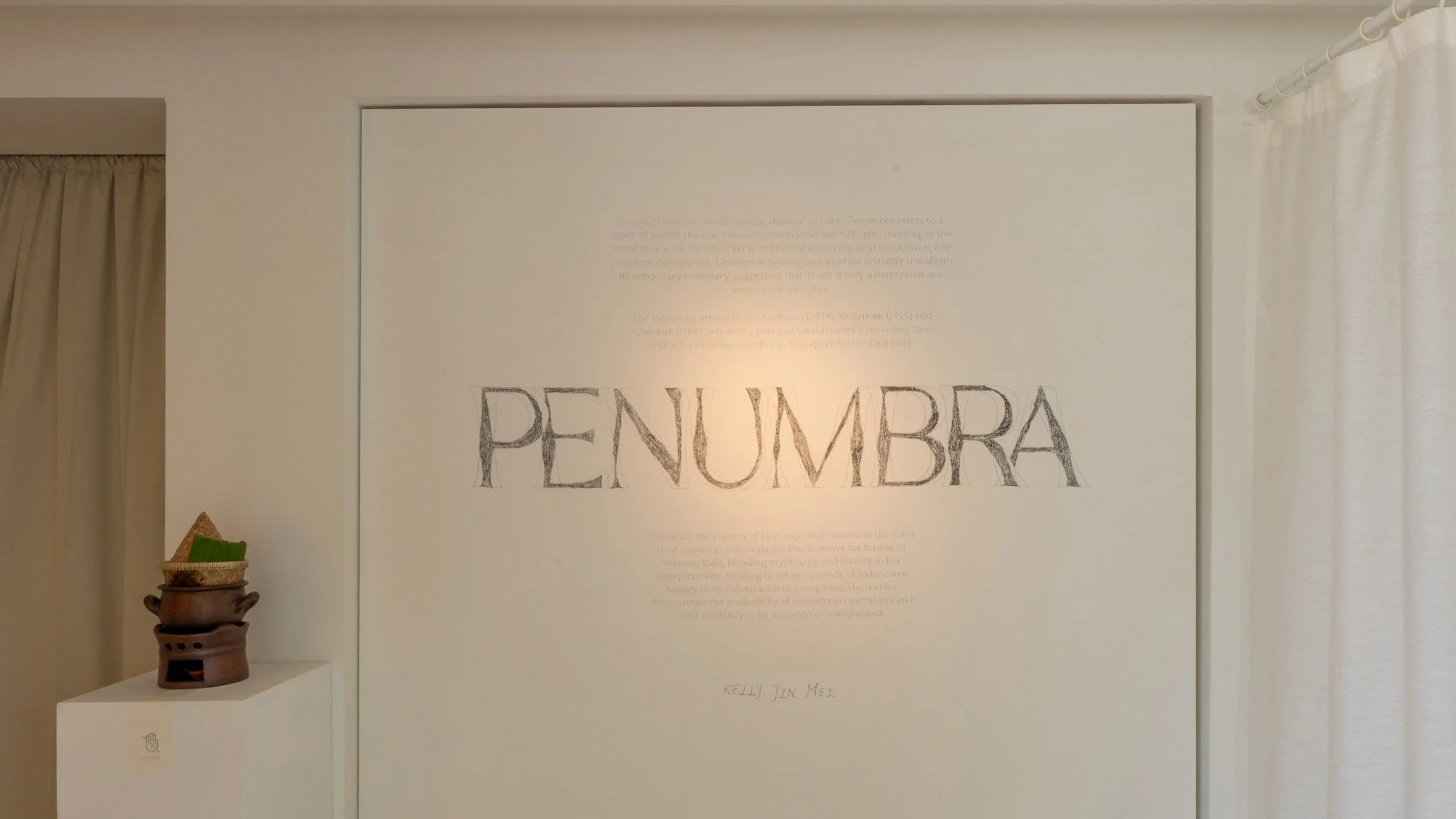
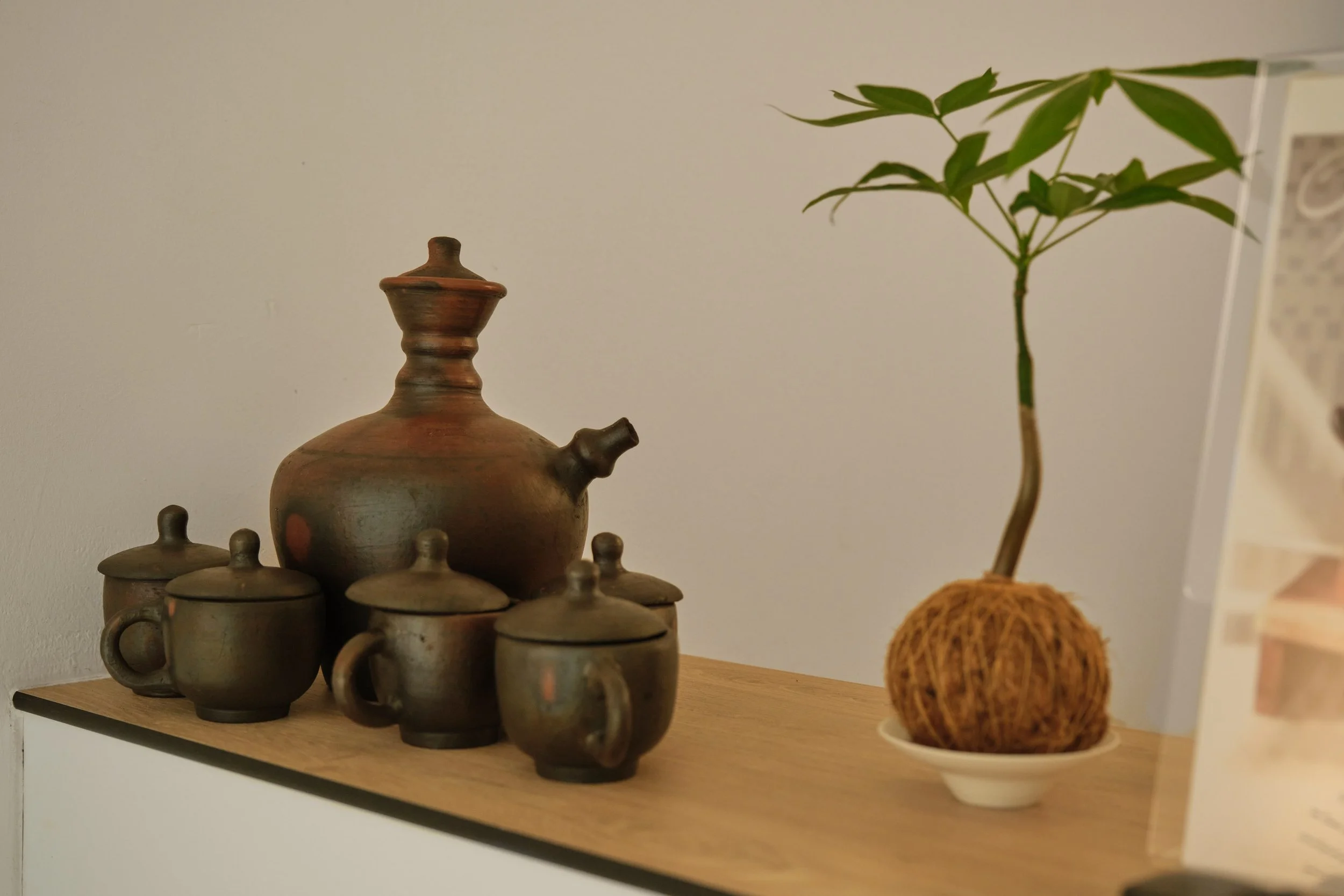
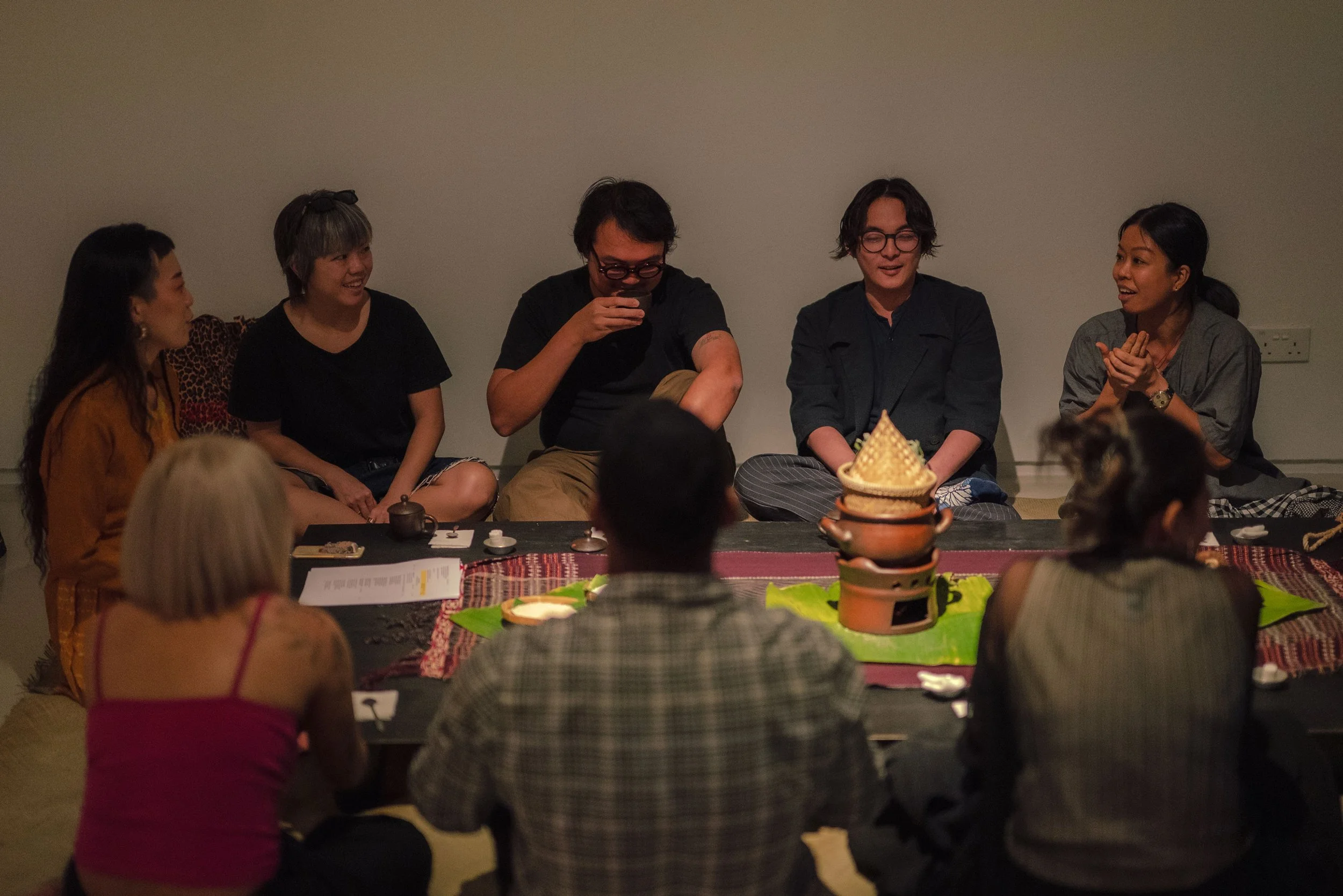
Despite being set in a white cube gallery space, elements defying that standard are deliberately introduced. Immediately incongruous with its surroundings is an earthenware pot set atop a lit stove, holding a woven basket within which rice is steamed. Upon entering the gallery, one is greeted by the fragrance of pandan and rice, a hint at the themes surrounding food staples in Indonesia. The wall text is traced by hand in pencil, a nod towards craft and labour. Hidden behind a day curtain is an area most Southeast Asians might feel at home in; 2 grasswoven tikars (mats) are surrounded by rice husks, inviting one to sit and watch a video documenting the art-making process, or read a selection of books related to the theme of food politics. Audiences are invited to spend time in this area after viewing the artworks while sipping on a cup of ethnic tea from Indonesia, served in local clayware. Within the main exhibition area, a slice of village life in Bangunjiwo (Yogyakarta) plays in the background through a cacophony of frogs, crickets, rustling wind and local music drifting through rice fields.
Separated from the triptych behind a wall is a projection cycling through 3 images of the crocheted lace before they go through batik dyeing—a final capture in their pristine, white form.
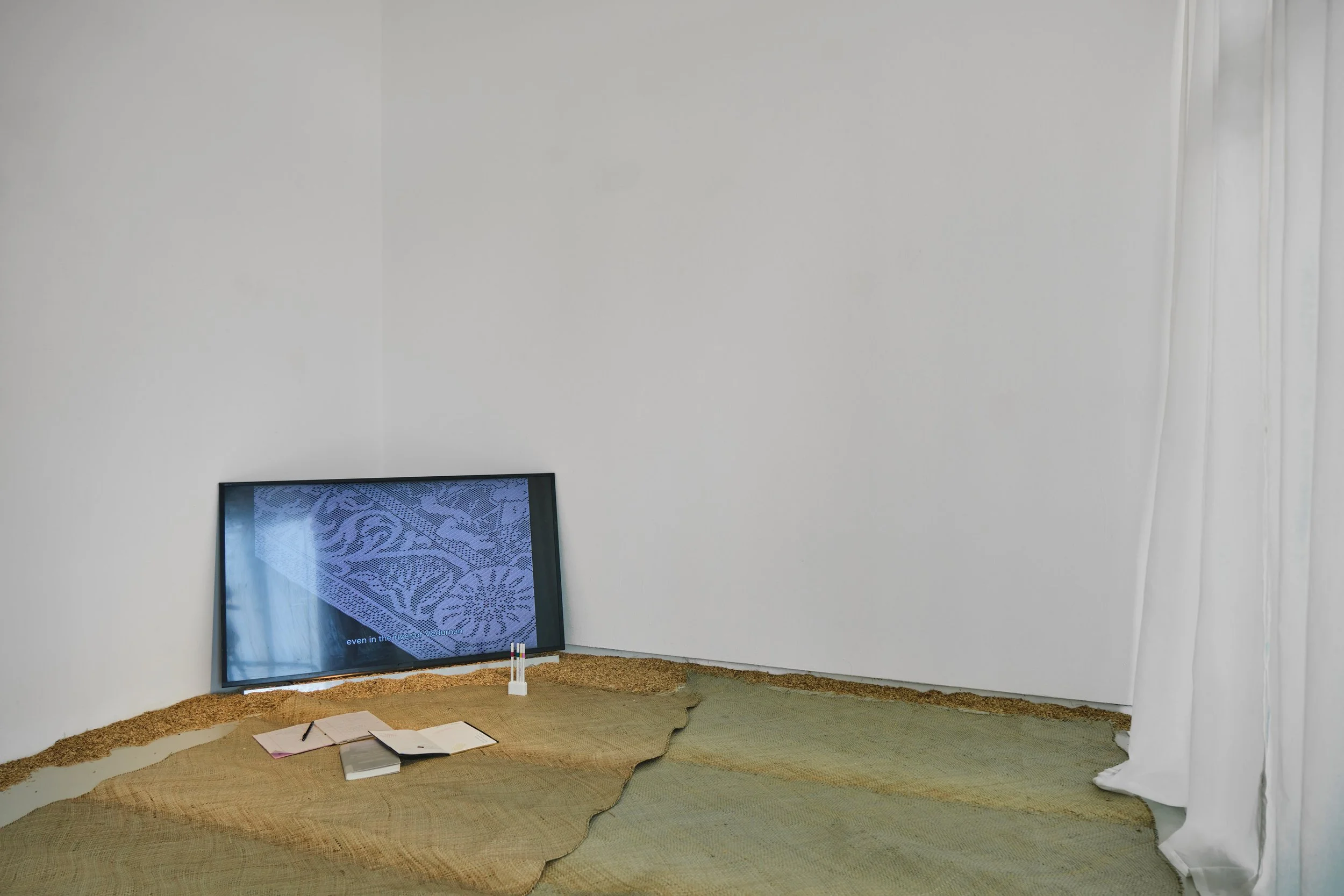

Video documenting the process of producing the triptych in PENUMBRA
Waroeng Ndeso
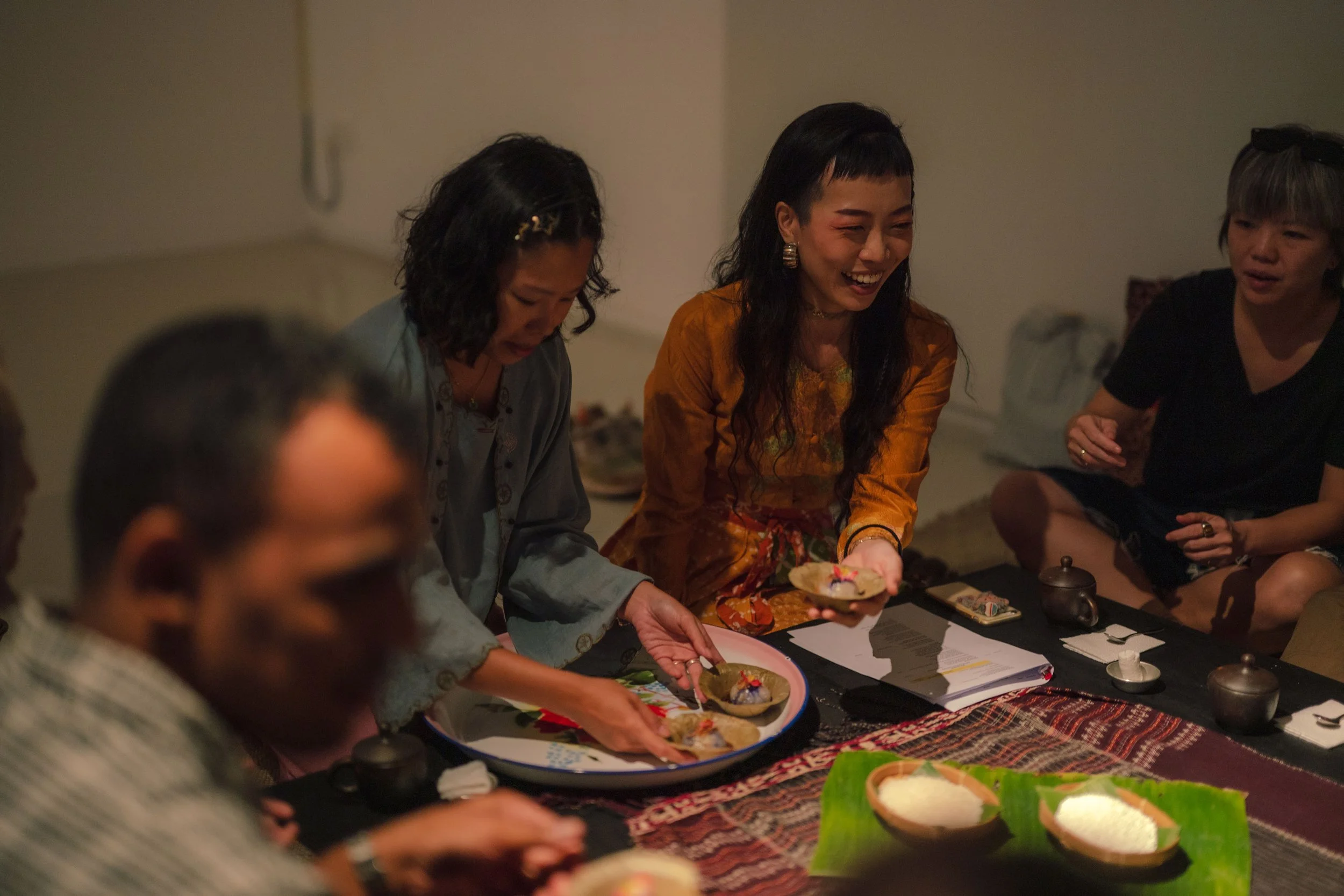
Two sessions of a collaboration with Gravy Baby was held in conjunction with the exhibition, exploring the politics of rice, sago and cassava through taste. Rather than asking whether consumption can ever be without consequence, the thoughts exchanged over a casual ‘Waroeng’ (small eatery) setting provides an opportunity for conscious reflection, acknowledging how consumption connects us to systems of land, labour and production that often remain invisible. The word ‘Ndeso’, often used to refer to ‘rural people’, can sometimes be used mockingly; in this context, we reclaim it, questioning the stance of urbanites claiming superiority with modernisation.
A low table over grasswoven tikars take up an area beside the artworks within the gallery, with banana leaves atop which the staples sit in their raw form. Three dishes, each heroing a staple created by Carmen Chen of Gravy Baby are served in sequence, deliberately disguised to confuse us. What is the raw form of sago? Does rice always have to be savoury? What forms do cassava come in? The participants are invited to guess the staple based primarily on their senses, question what influenced their guesses, and ultimately realise how preferences are shaped by aesthetics, culture, and politics. As consumers, how much is enough? Ending with that question, the session prompts a reclaiming of agency over our choices as consumers, and how changes in our actions play a part in the ecosystem.
Photos by: Clarence Aw
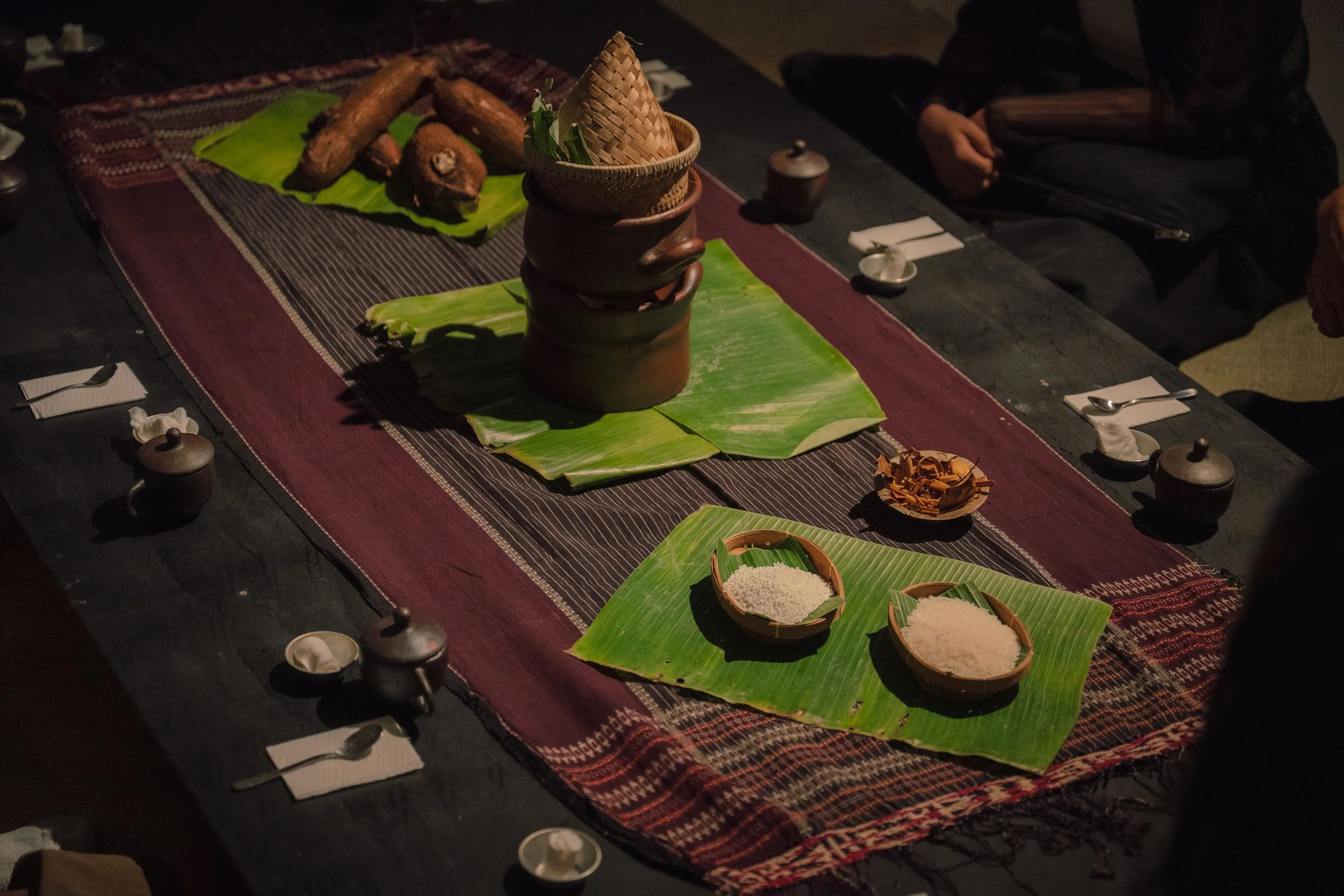

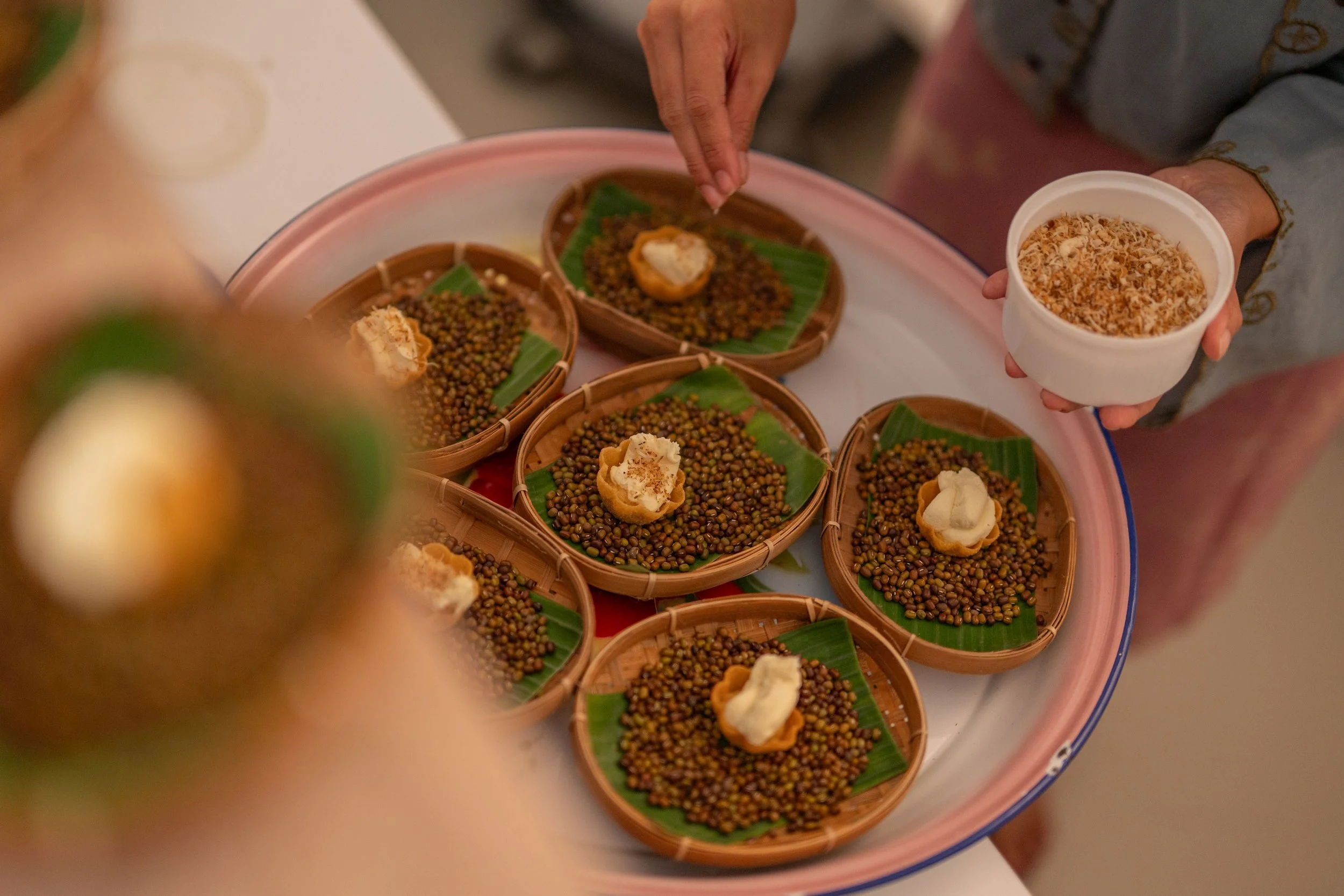
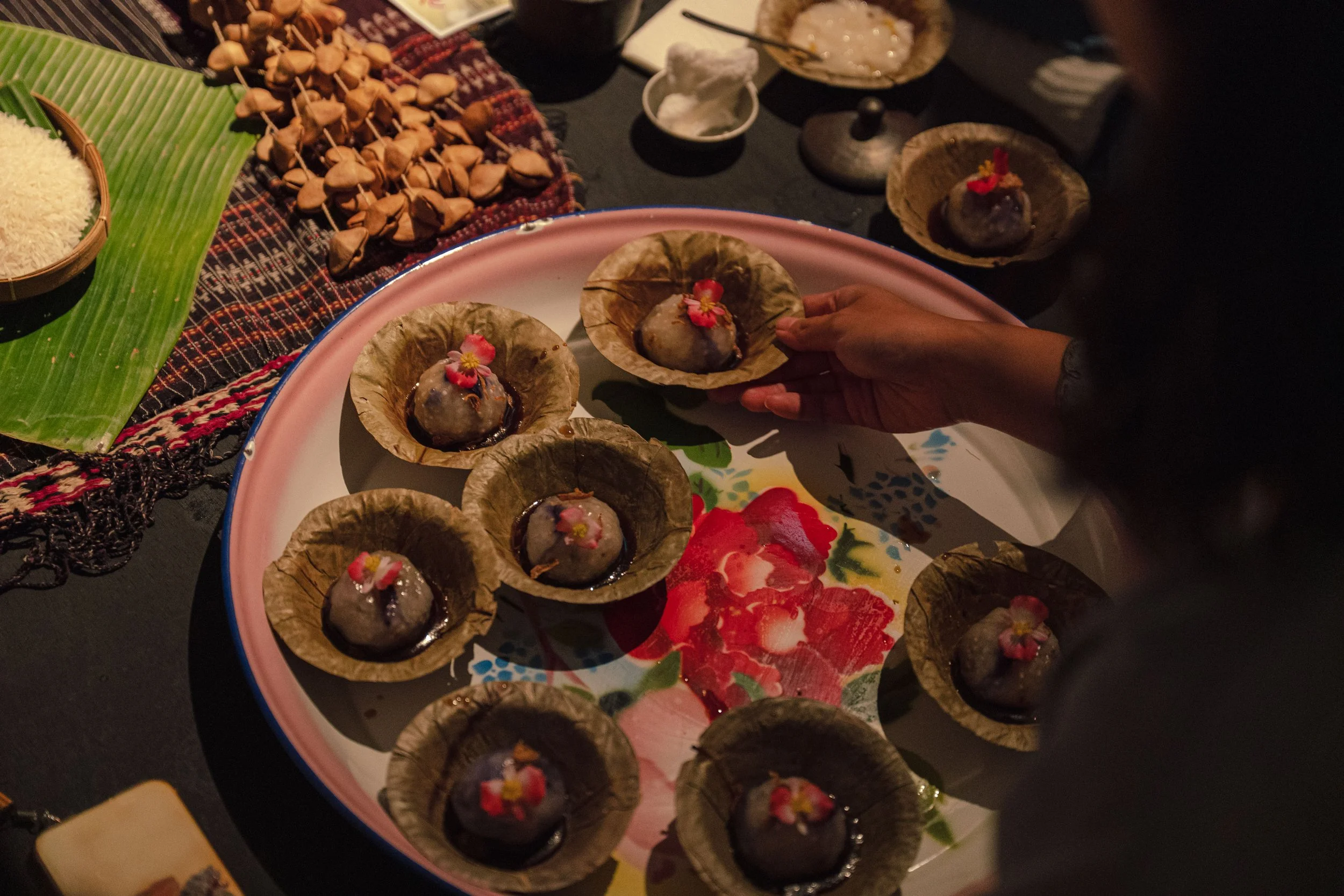
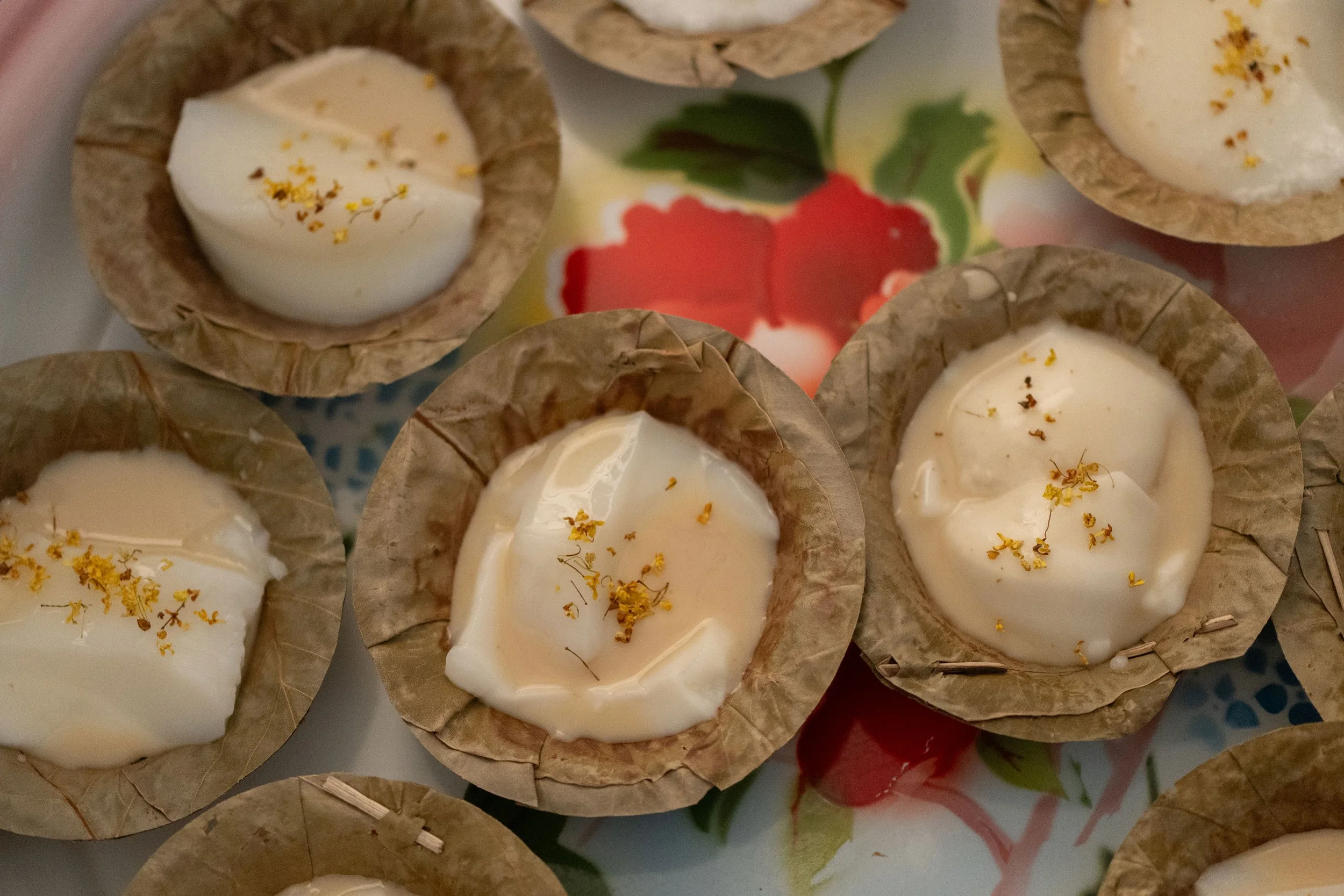
RICE
Sweet
Rice panna cotta with jasmine flowers, osmanthus and orange peel, steeped in almond milk
SAGO
Savoury
A medley of mushrooms, leeks and wood ear fungus, encased in a delicate skin made from sago pearls and finished with fried shallots and begonia flower
CASSAVA
Sweet
Tapai (fermented cassava) cream and miso corn custard nestled in a tartlet, topped with roasted shredded coconut and dried wildflowers
Visual Design
How can a graphic identity hold space for grey areas and capture a constant state of negotiation that defies definitions?
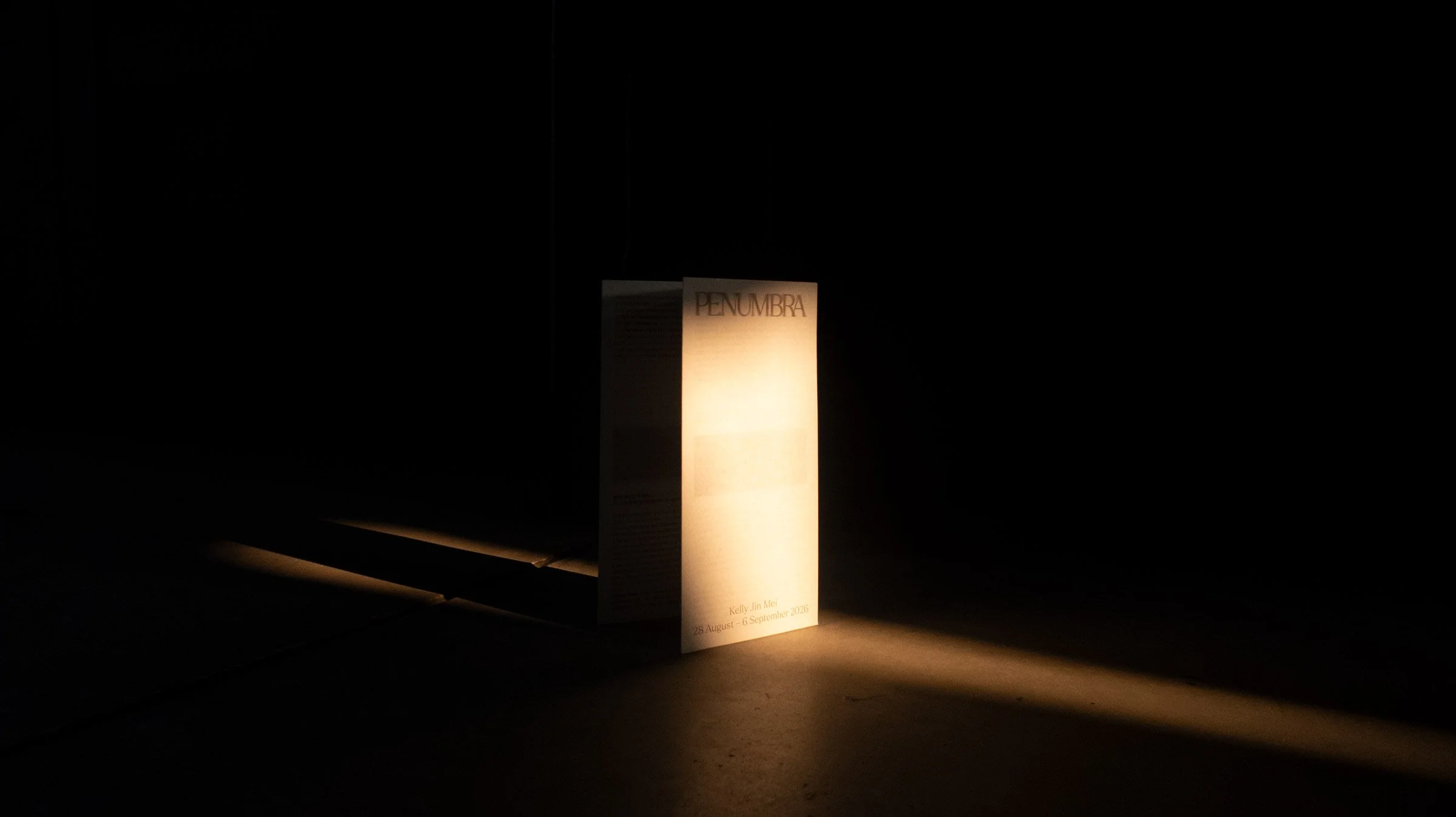
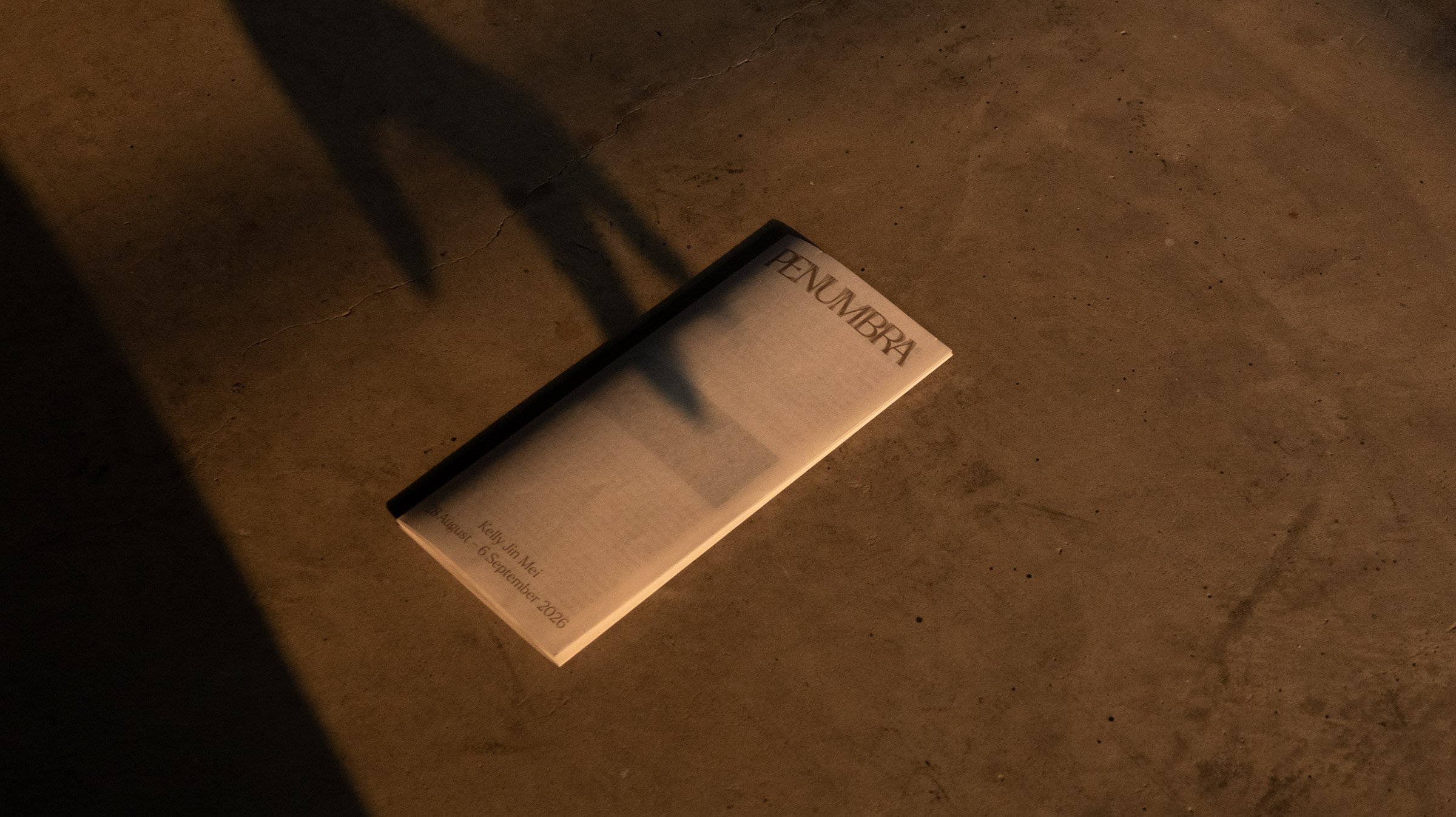
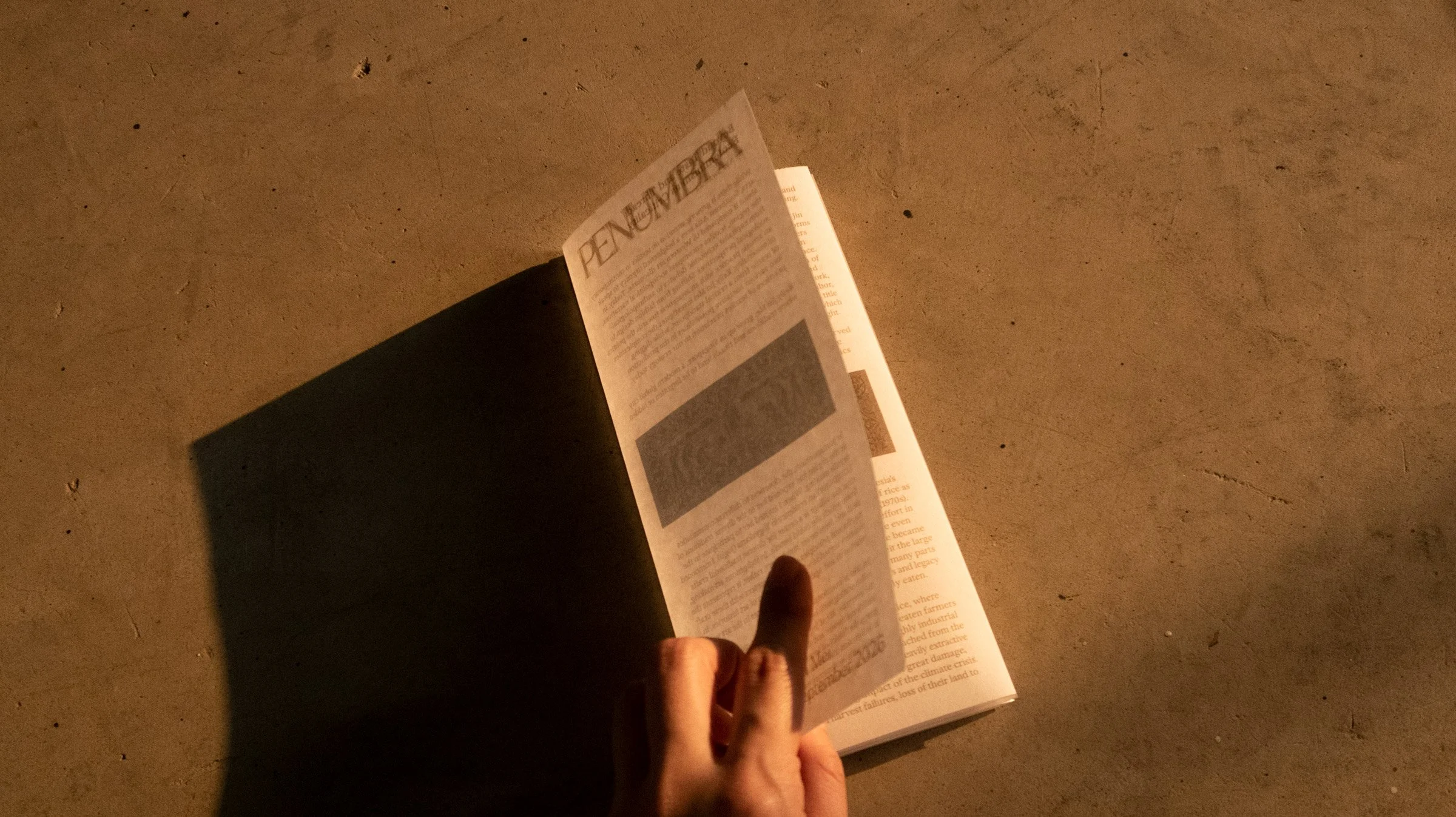
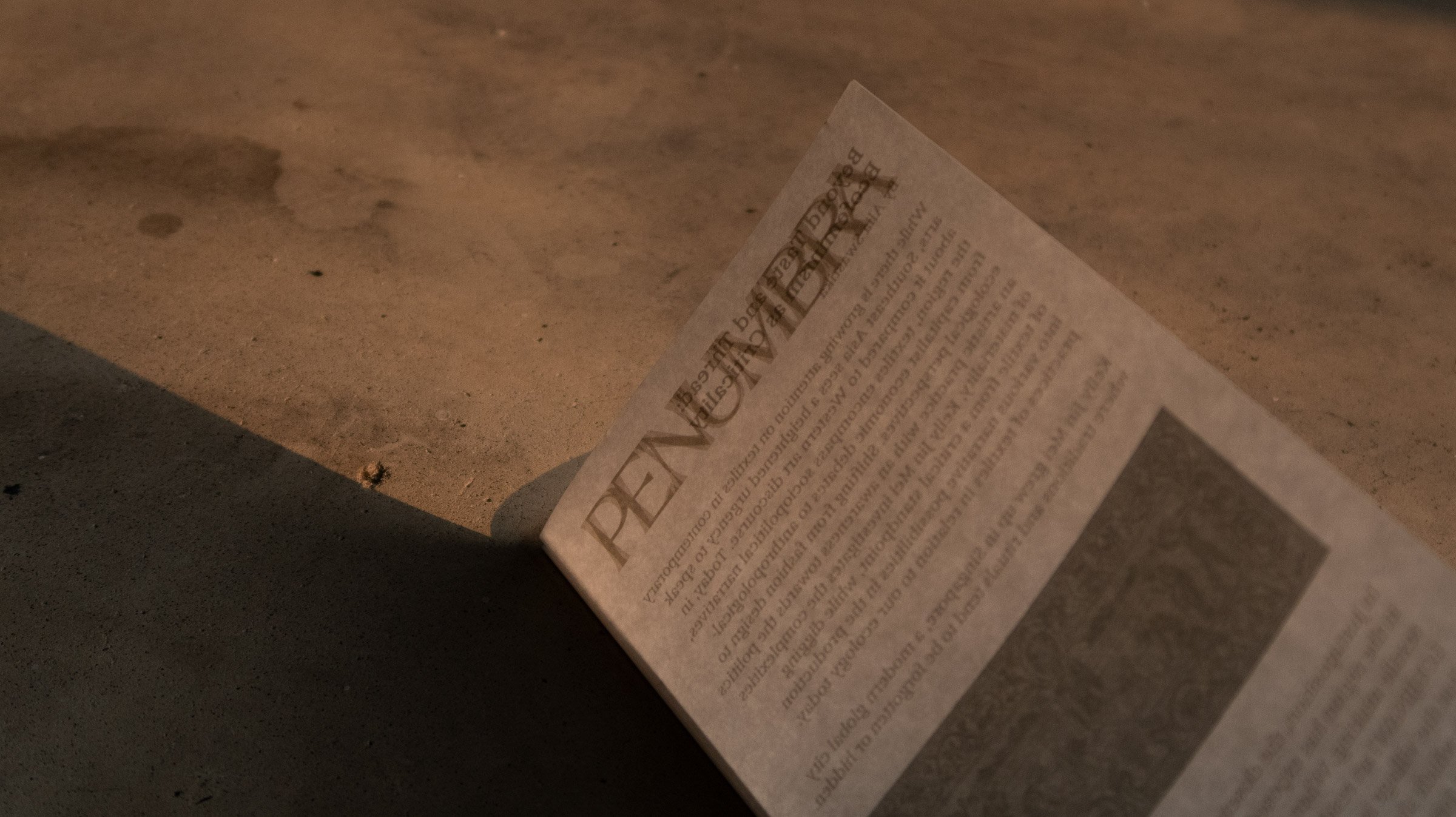
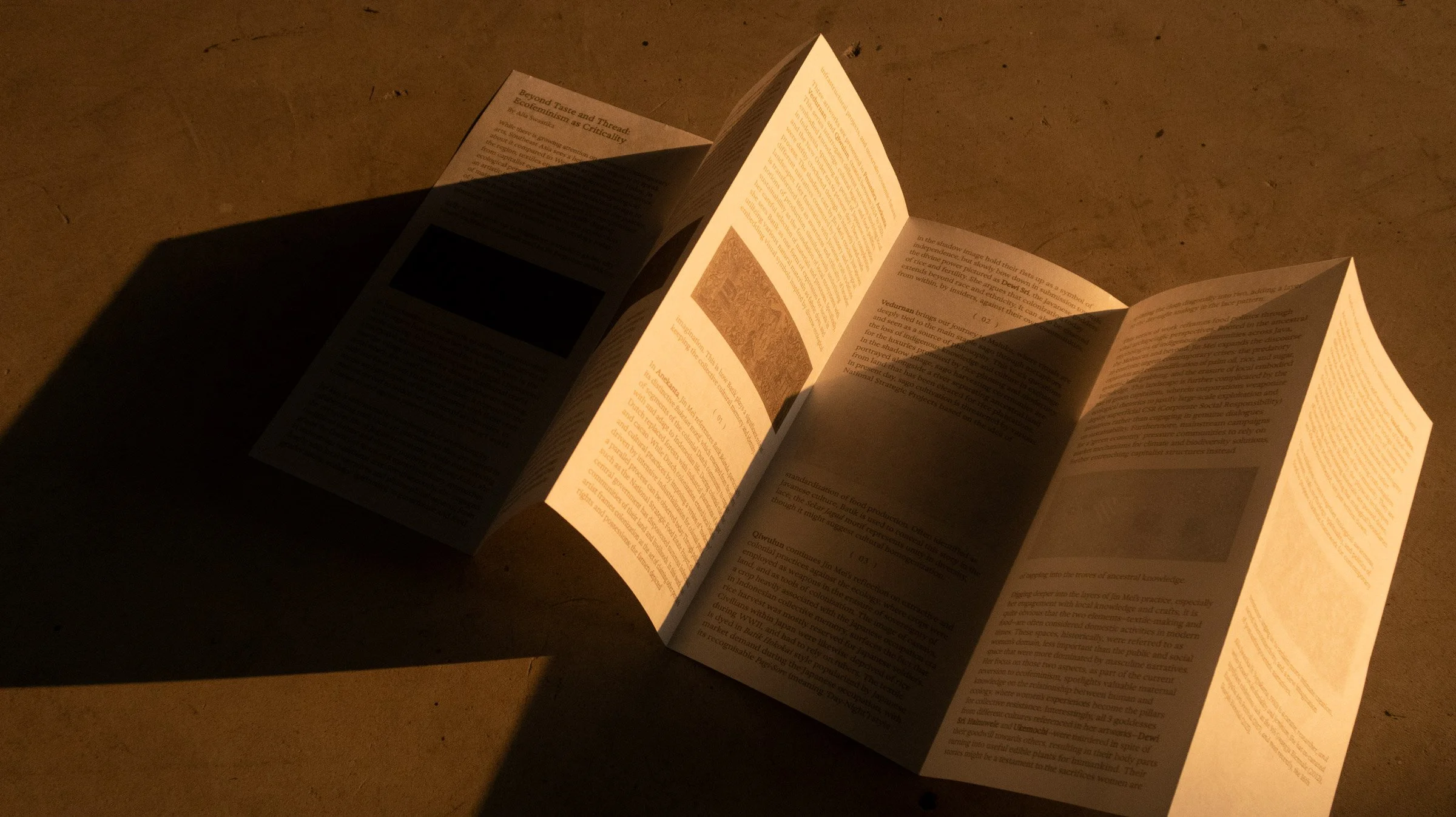
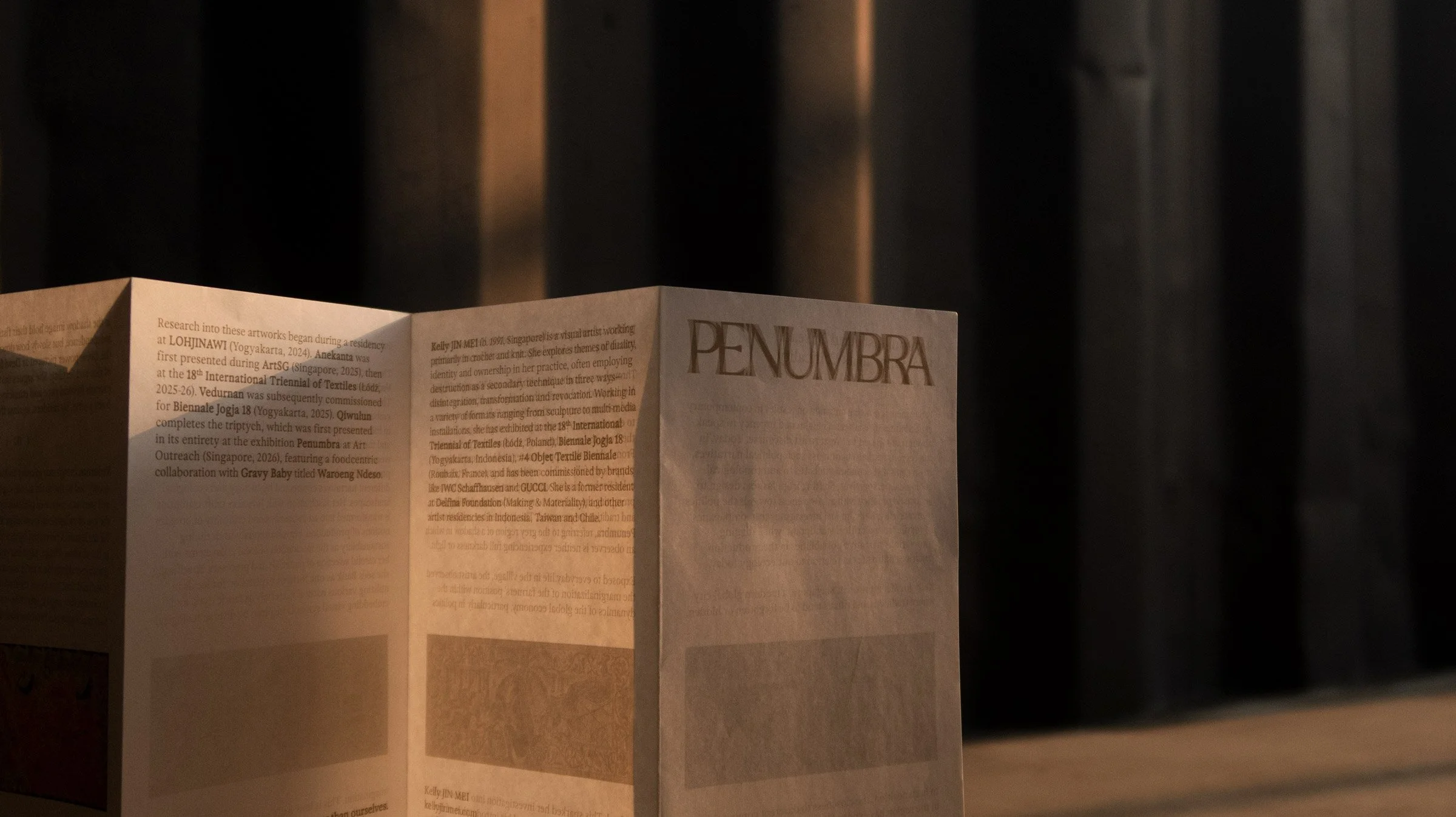
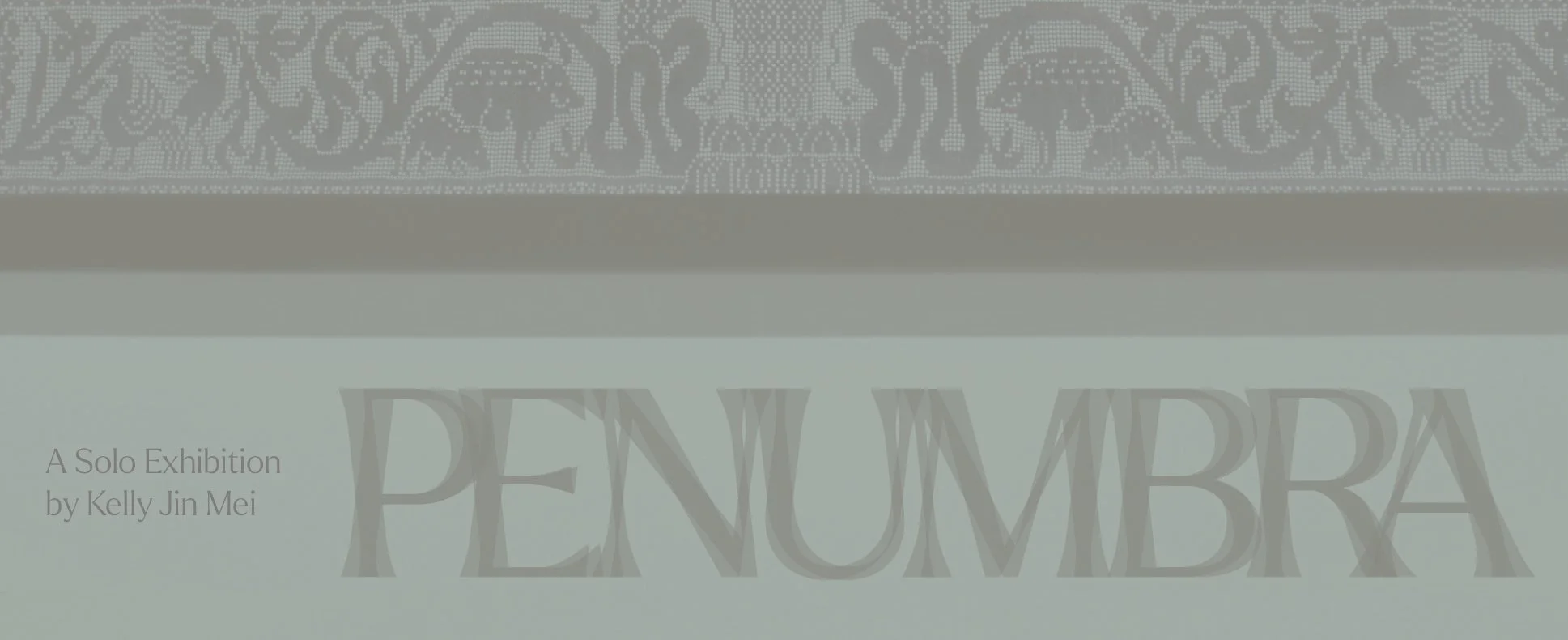
This was the question put forth by designer Alex Lam as a response to the idea of PENUMBRA. The visual identity demonstrates the very meaning of an ‘almost shadow’. The outline of the text shifts as if a secondary light source has been introduced, creating in the overlap an Umbra, and with that, an impression of movement, fuzziness and indefiniteness. More to create an ambience than being a means of communicating information, the title PENUMBRA gives a first impression on the glass frontage in 2 overlapping layers. Inspired by the shadows falling on gathered curtains in shop windows, a light curtain is drawn behind, allowing the shadows from the title to dance on the fabric.
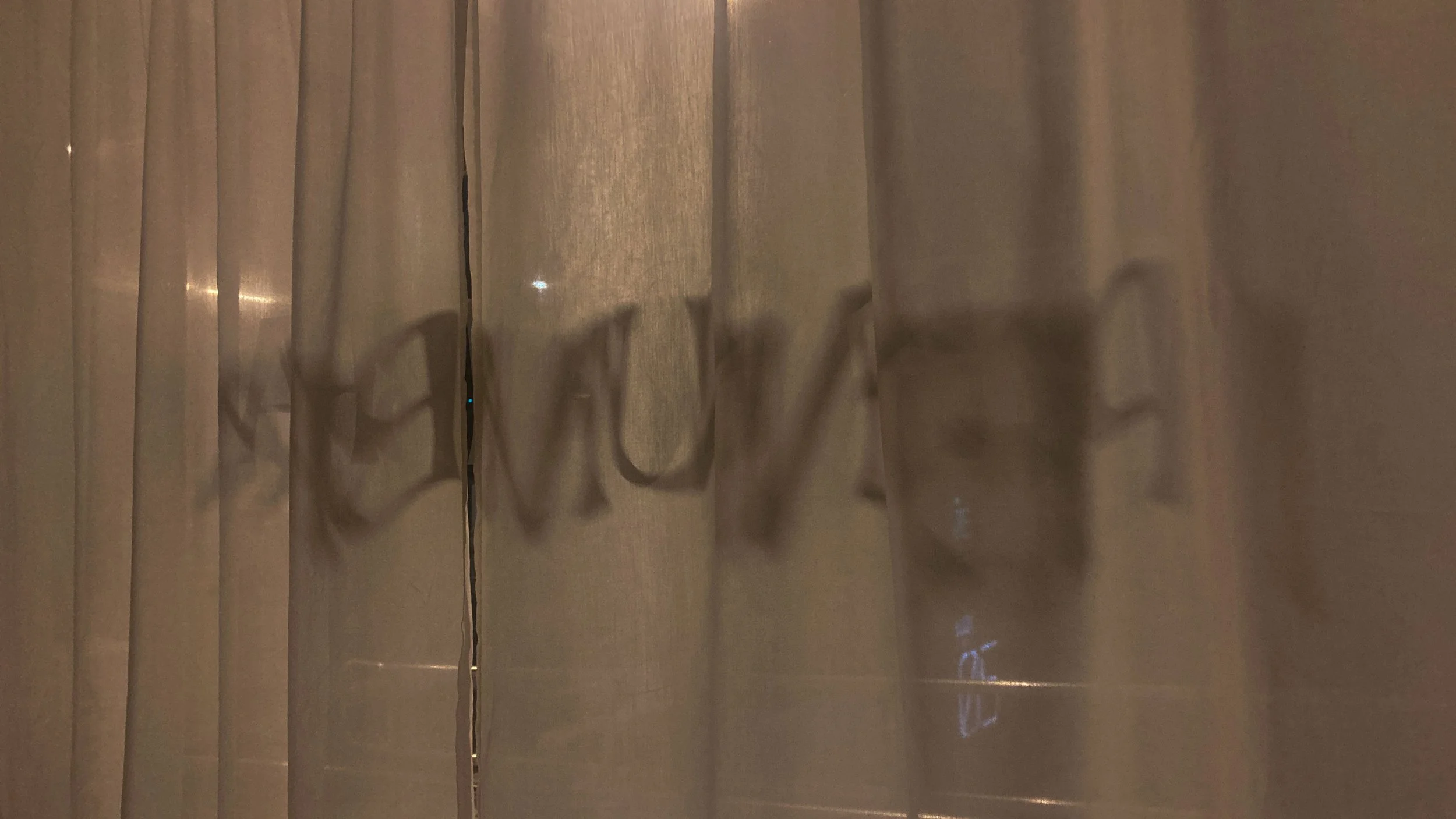
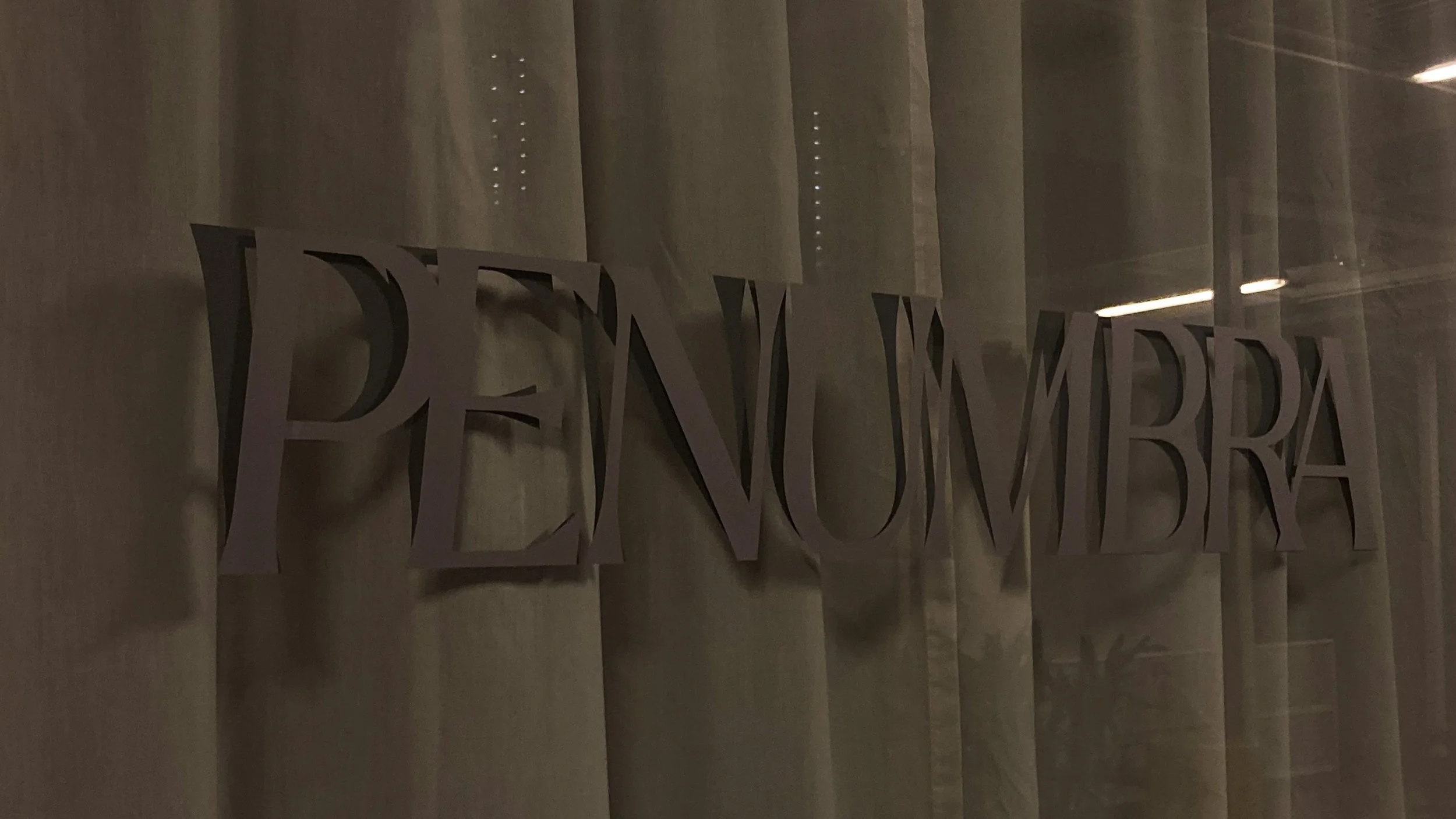
Printed on a semi-translucent paper, the brochure takes direct inspiration from how the artworks are displayed—with a cast shadow. Lifting it up to the light, the shadow image shows up on a seemingly empty spot on the page; colours from the image of the batik artwork peek from beneath the shadow. In the overlap of images with the folds in paper and the invisibility of text depending on light, the brochure encapsulates the experience of PENUMBRA.